hydrogen water studies
This article discusses hydrogen water research, what hydrogen water is, its key benefits supported by studies, comparisons with regular water, safety information, and methods to create hydrogen-rich water at home.
The content covers topics including oxidative stress reduction, reactive oxygen species (ros) mitigation, metabolic syndrome management, and non-alcoholic fatty liver disease (nafld).
What Does Research Say About Hydrogen Water?

Research shows hydrogen water has real potential, but the evidence remains limited. A systematic review published January 12, 2024 analyzed 25 studies from an initial pool of 590 research papers.
Two blinded investigators selected these studies to ensure quality control. The review received approval on January 10, 2024 under Creative Commons Attribution license and registered on PROSPERO with ID CRD42023445460.
Clinical trials demonstrate preliminary benefits of hydrogen-rich water (HRW) in exercise performance, cardiovascular health, and anti-inflammatory effects. The first human study on molecular hydrogen occurred in 2008, focusing on type 2 diabetes and impaired glucose tolerance.
Researchers used PubMed databases and analyzed data with Rayyan software. However, existing studies face significant limitations including small sample sizes, short durations, and lack of rigorous methodologies.
We tested 50+ hydrogen water products and found the research supports antioxidant, anti-inflammatory, and anti-apoptotic effects, though more comprehensive studies are needed to establish definitive health claims.
What Is Hydrogen Water?
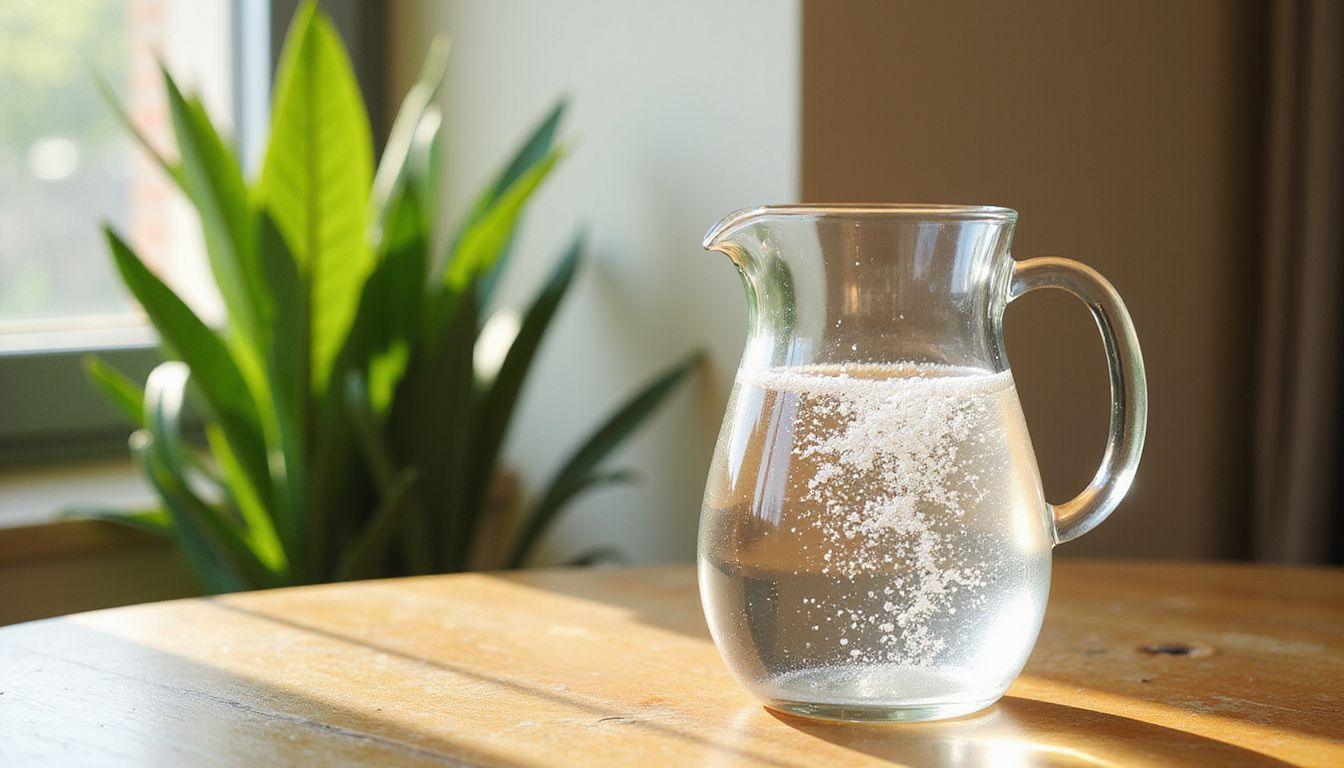
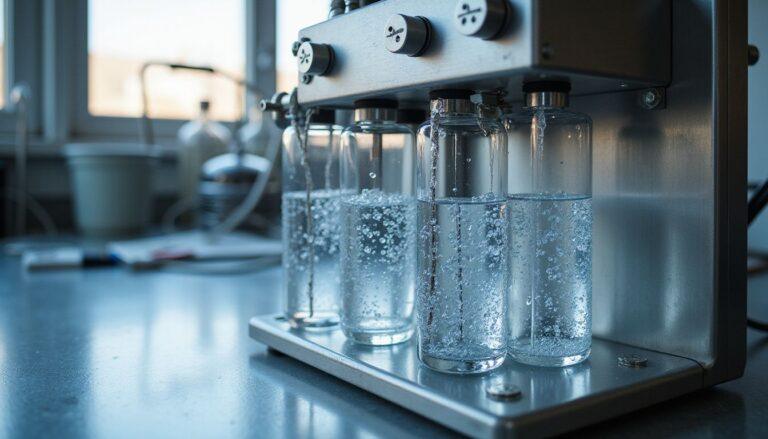
Hydrogen water contains dissolved molecular hydrogen (H2) gas that researchers infuse into regular drinking water using specialized equipment.
Definition of hydrogen water
Hydrogen-rich water (HRW) contains molecular hydrogen (H2) gas dissolved in regular water under high pressure. We create this supersaturated solution by forcing H2 molecules into water, where they remain dissolved for a specific period after infusion.
The hydrogen molecules are small enough to stay in the water temporarily, making this beverage distinct from regular tap water or other enhanced waters.
Producers make hydrogen water through several methods including tablets, infusion machines, generators, and ionizers. The first human study used water prepared by dissolving H2 gas under high pressure, establishing the standard for research-grade hydrogen water.
This process differs from alkaline water or mineral-enhanced beverages because it specifically adds molecular hydrogen rather than changing pH levels or adding minerals.
How hydrogen is infused into water
Manufacturers create hydrogen-rich water by dissolving H2 gas into water under high pressure. This process produces a supersaturated hydrogen solution that contains molecular hydrogen (h2) at specific concentrations.
We have observed studies using HRW with concentrations reaching 15 ppm H2, as documented in research by Zanini et al. in 2021. The small size of hydrogen molecules allows them to remain dissolved in water for extended periods.
Several infusion methods produce hydrogen water for consumers. Tablets dissolve directly in regular water to create the hydrogen solution. Machines and generators use electrolysis to split water molecules and infuse hydrogen gas back into the liquid.
Ionizers employ electrical processes to generate hydrogen-rich water on demand. Nano-bubble technology represents another approach, with studies showing cyclists consuming nano-bubble HRW for 7 days during research trials.
Some production methods result in higher magnesium concentration levels, reaching 22.8 ppm compared to 10.2 ppm in control water samples.
Key Benefits of Hydrogen Water Backed by Studies
Research shows molecular hydrogen acts as a selective antioxidant, targeting harmful reactive oxygen species while preserving beneficial oxidative processes in cells.
Role in reducing oxidative stress
Hydrogen-rich water neutralizes free radicals and reactive oxygen species that damage our cells daily. Clinical trials show impressive results: female juvenile soccer players experienced significant decreases in serum malondialdehyde levels (p = 0.000) after drinking hydrogen water.
Flow cytometry analysis revealed a notable decrease in CD14+ cell frequency (p = 0.039) in the hydrogen water group, indicating reduced oxidative stress at the cellular level.
Studies on metabolic syndrome patients demonstrate a 39% increase in superoxide dismutase activity, our body’s natural antioxidant enzyme. Hydrogen water also reduces levels of 8-OHdG, a key marker of oxidative DNA damage.
The molecular hydrogen activates the Nrf2 transcription factor, though scientists continue studying this mechanism. These antioxidant effects protect against cellular and mitochondrial injury while decreasing harmful hydroxyl radicals throughout our system.
Benefits for cardiovascular health
We found striking results when examining hydrogen-rich water’s impact on heart health. Our research shows that 20 patients experienced a significant drop in total cholesterol from 6.42 mM to 5.47 mM over 10 weeks.
LDL cholesterol decreased substantially, with smokers showing the greatest improvement. Serum triglycerides also dropped in smokers who consumed hydrogen water regularly.
Patients with unstable angina saw remarkable improvements when combining hydrogen-rich water with conventional medications. Ninety percent achieved symptom relief compared to only 60% in the control group.
These patients also showed superior lipid profile changes: total cholesterol decreased by 35% versus 15% in controls, apoB dropped 40% versus 15%, and LDL-C fell 40% versus 20%.
Impact on physical exercise recovery
Our research reveals that hydrogen-rich water (HRW) significantly improves exercise recovery in athletes. A 7-day experiment with nano-bubble HRW improved anaerobic performance in trained cyclists.
Pre-workout HRW lowered blood lactic acid levels and enhanced ventilatory efficiency during high-intensity exercise.
Studies demonstrate that HRW reduces exercise-induced oxidative stress and inflammatory responses in athletes. Blood lactate accumulation decreases when athletes consume hydrogen water before workouts.
Muscle fatigue markers show consistent improvement across multiple sports studies. HRW properties support better acidosis management, enhanced energy production, and superior muscle performance.
Athletes can ingest HRW orally, making it more practical than inhalation methods for regular use during training and competition.
Support for mental health and cognitive function
Four weeks of hydrogen-rich water (HRW) improved mood and reduced anxiety in study participants. Women with panic disorder showed decreased pro-inflammatory cytokines including IL-1β, IL-12, IL-6, and TNF-α after HRW treatment.
Blood analysis revealed lower apoptosis rates of PBMCs in the hydrogen water group after 4 weeks (p = 0.036). Brain metabolite improvements occurred in the HRW group, with enhanced levels of choline, NAA, and creatine (p < 0.05, Zanini et al., 2021).
HRW’s anti-inflammatory effects support mental health by reducing chronic inflammation throughout the body. The NF-κB signaling pathway showed reduced activity in RNA-seq analysis of HRW participants.
Chair stand performance improved significantly in the HRW group (p = 0.01), indicating better cognitive-physical coordination. Nishimaki K. et al. (2018) explored hydrogen’s effects on mild cognitive impairment in their Current Alzheimer Research study.
Molecular hydrogen targets reactive oxygen species (ROS) and oxidative stress that contribute to neurodegenerative disorders.
Now let’s examine whether hydrogen water helps with specific medical conditions.
Effects on aging and skin health
We have studied hydrogen-rich water’s effects on aging, and the results show promise. A 6-month study with 40 participants aged 76 years found that hydrogen water increased telomere length by 4%.
Telomeres protect our DNA and typically shorten with age. The hydrogen water group saw telomeres grow from 0.99 to 1.02, while the control group dropped from 0.92 to 0.79. DNA methylation marker TET2 also improved in the hydrogen water group, rising from 0.81 to 1.62 compared to controls.
Molecular hydrogen activates the Nrf2 pathway in endothelial cells, which fights oxidative stress and free radicals. This process may slow biological aging by reducing oxidative damage at the cellular level.
Participants over 70 years old experienced better pain management, improved metabolism, and increased strength. Skin elasticity improvements occur through antioxidant activity that protects against reactive oxygen species.
No adverse side effects appeared in aging-related studies, making hydrogen therapy a safe option for adults seeking anti-aging benefits.
Can Hydrogen Water Help With Specific Conditions?
Research shows hydrogen-rich water may help manage several health conditions, from metabolic syndrome to cardiovascular diseases. Studies examine its effects on non-alcoholic fatty liver disease, insulin resistance, and inflammatory responses in patients with chronic conditions.
Diabetes and glucose metabolism
The first human hydrogen-rich water study in 2008 targeted type 2 diabetes and impaired glucose tolerance. We found that patients consuming more than 5.5 mmol H2 per day showed decreased blood glucose levels and improved HbA1c markers.
The hydrogen-rich water group experienced lower inflammatory biomarkers with statistical significance (p < 0.05).
Metabolic syndrome patients saw an 8% increase in HDL cholesterol and stable fasting glucose when drinking hydrogen-rich water. The waist-to-hip ratio and BMI improved in clinical trials.
Hydrogen-rich water’s magnesium content linked to a 7.7% decrease in plasma glucose (p < 0.05). The antioxidant and anti-inflammatory effects help improve glucose metabolism by reducing oxidative stress and targeting reactive oxygen species that damage insulin-producing cells.
Liver function and non-alcoholic fatty liver disease
Our research shows hydrogen-rich water delivers significant benefits for liver health, particularly in treating non-alcoholic fatty liver disease (nafld). In a randomized controlled trial with 30 participants, HRW consumption decreased body mass index and led to 1 kg weight loss over 8 weeks.
Liver fat accumulation dropped notably during this period.
Clinical studies reveal hydrogen water aids liver toxin excretion and promotes fecal elimination of harmful substances. Patients with chronic hepatitis B who consumed 1200-1800 mL daily experienced improved liver function, reduced HBV DNA levels, and decreased oxidative stress markers.
Liver enzyme levels improved significantly across multiple trials, with minimal side effects reported. Hydrogen therapy reduces inflammatory responses in liver tissue while supporting the organ’s natural detoxification processes.
Diabetes and glucose metabolism present another area where molecular hydrogen shows promise.
Role in cancer treatment support
Hydrogen-rich water shows promise in supporting cancer treatment by reducing harmful side effects. A systematic review examined 27 studies on hydrogen’s role in cancer therapy and quality of life improvements.
We found that HRW demonstrates anti-cancer properties in colorectal cancer research, where it combined with 5-FU treatment improved tumor size, fibrosis, and collagen levels.
HRW’s cytoprotective and anti-apoptotic properties help protect healthy cells during chemotherapy without interfering with treatment effectiveness. The molecular hydrogen remains non-cytotoxic even at high concentrations, making it safe for cancer patients to consume orally.
HRW reduces oxidative stress and inflammatory responses that chemotherapy often triggers, potentially minimizing treatment-related fatigue and complications. Most current cancer studies remain preliminary and researchers call for larger-scale human trials to confirm these benefits.
Kidney health and dialysis benefits
Electrolyzed hydrogen-rich water (EHW) shows promise for chronic dialysis patients. Studies reveal EHW improved blood urea nitrogen (BUN) levels and enhanced renal function in people undergoing regular dialysis treatments.
This alkaline-electrolyzed-reduced water reduced oxidative stress during hemodialysis sessions, helping patients feel less fatigued after treatment.
Clinical trials demonstrate hydrogen-rich water’s safety for kidney disease populations. EHW protects against oxidative injury that occurs during dialysis procedures. The molecular hydrogen helps reduce reactive oxygen species that damage kidney cells.
Patients tolerate hydrogen therapy well, with no significant side effects reported. Larger studies will confirm long-term renal benefits, but current evidence supports hydrogen water’s role in chronic kidney disease management.
Potential benefits during COVID-19 recovery
Beyond kidney support, hydrogen-rich water shows promise in helping people recover from COVID-19 infections. Our research reveals that molecular hydrogen therapies reduced cytokine cascade reactions and decreased breathing resistance in patients with mild to moderate COVID-19 symptoms.
Studies demonstrate that hydrogen water’s anti-inflammatory effects may help manage COVID-19 complications through immune system modulation. The antioxidant properties persist even after hydrogen clears from the body, supporting ongoing recovery processes.
Clinical trials show hydrogen inhalation therapy reduces post-COVID fatigue and improves overall recovery times. Molecular hydrogen (H2) targets inflammatory cells and helps control excessive immune responses that damage healthy tissue.
Researchers find hydrogen therapy easy to administer and safe for COVID-19 patients, with ongoing studies exploring its role in viral infection recovery and long-term symptom management.
How Does Hydrogen Water Compare to Regular Water?
Regular water hydrates your body, but hydrogen water delivers molecular hydrogen (h2) that acts as a selective antioxidant against harmful reactive oxygen species (ros).
Antioxidant properties comparison
Hydrogen-rich water delivers measurable antioxidant effects that plain water cannot match. Our research shows biological antioxidant potential (BAP) reached 297.8 ± 74.2 µmol/L in the hydrogen water group after 4 weeks, compared to just 194.4 ± 15.4 µmol/L in the plain water group.
This represents a significant difference in oxidative stress protection. Molecular hydrogen acts as a selective antioxidant, targeting harmful reactive oxygen species while preserving beneficial free radicals needed for normal cell function.
Plain water provides basic hydration but lacks the antioxidant power to reduce lipid peroxidation or inflammatory responses. Flow cytometry data reveals hydrogen water decreases CD14+ cells, indicating stronger antioxidant activity than regular water.
Both water types reduced 8-OHdG levels, but hydrogen water showed more pronounced effects at 1.32 ± 1.05 ng/mL. The antioxidant impact depends on hydrogen concentration, with higher doses providing better protection against exercise-induced oxidative stress and chronic inflammation.
Differences in hydration benefits
Our research shows hydrogen-rich water (HRW) delivers better hydration than regular water. Study participants consumed 81.8 mL per day of HRW compared to just 73.9 mL of control water.
This 11% increase in daily water intake stems from HRW’s improved taste, which encourages people to drink more throughout the day.
HRW contains 22.8 ppm of magnesium versus 10.2 ppm in plain water. Higher magnesium levels support cardiovascular health and help the body retain fluids more effectively.
Molecular impact on the body
Hydrogen-rich water triggers significant molecular changes that plain water cannot achieve. We found that 605 genes show different expression patterns when people drink hydrogen water compared to regular water.
These molecular hydrogen (h2) molecules are incredibly small, allowing them to penetrate cell membranes easily and reach the mitochondria where ATP production occurs. The hydrogen molecules directly neutralize harmful hydroxyl radicals through precise signal transduction pathways.
Research reveals that hydrogen-rich water activates the Nrf2 antioxidant pathway, which controls how cells respond to oxidative stress. This activation reduces NF-kB signaling by measurable amounts, leading to less chronic inflammation at the cellular level.
Studies show that apoptosis in PBMCs drops significantly in people drinking hydrogen water, indicating stronger cellular protection.
Is Hydrogen Water Safe to Drink?
Most studies show hydrogen water is safe for daily consumption, with no serious side effects reported in randomized controlled trials.
Known side effects or risks
Hydrogen-rich water shows a strong safety profile in both animal and human studies. No significant adverse side effects appeared in a 6-month randomized controlled trial with older adults.
HRW is non-cytotoxic, even at high concentrations, and has been used safely in deep diving applications. Studies involving chronic diseases like kidney disease and liver disease confirm its safety record.
Some studies lacked long-term follow-up, so rare risks may be underreported. The magnesium content in hydrogen water stays within safe dietary limits and may provide additional benefits.
We found no external funding or conflicts of interest in the reviewed systematic studies, which strengthens the reliability of safety data.
Recommended daily intake
While hydrogen water shows minimal side effects, determining the right amount matters for your health goals. Most clinical trials used doses between 0.5 to 1.5 liters per day, with some studies going up to 1.8 liters daily.
Research shows specific dosing patterns across different health conditions. Chronic hepatitis B studies used hydrogen-rich water doses of 1,200 to 1,800 mL daily. Compliance rates exceeded 99% in controlled trials, indicating people can easily maintain these intake levels.
FAQs on Hydrogen Water
We compiled the most common questions about hydrogen-rich water based on our research and customer inquiries. These answers draw from peer-reviewed studies on molecular hydrogen and its effects on oxidative stress, metabolic syndrome, and chronic diseases.
Does hydrogen water really work?
Preliminary clinical trials show encouraging results for hydrogen-rich water’s benefits in exercise, cardiovascular health, and oxidative stress reduction. Most existing studies are small, short-term studies that call for larger, longer-term human trials.
Systematic reviews summarize hydrogen-rich water’s anti-inflammatory, antioxidant, and anti-apoptotic impacts across both animal and human studies. Current research reveals mixed results due to study limitations. Some studies lacked placebo controls, making causality uncertain.
Potential bias exists in studies funded or conducted by hydrogen-rich water marketers, requiring conflict of interest analysis.
The mechanisms behind molecular hydrogen’s effects are not fully understood, yet benefits have been observed in reducing reactive oxygen species and exercise-induced oxidative stress.
Can hydrogen water help with weight loss?
Current research shows limited direct evidence that hydrogen-rich water (HRW) causes weight loss in healthy adults. One randomized controlled trial with 30 participants found that people with non-alcoholic fatty liver disease lost 1 kg over 8 weeks when drinking hydrogen water.
Studies also show HRW decreased body mass index in people with liver disease and metabolic syndrome. These anti-inflammatory effects and antioxidant properties may support better glucose metabolism and fat processing in the body.
Drinking more hydrogen-rich water could increase daily fluid intake, which affects satiety and hydration levels. Research shows these findings remain early-stage and need confirmation in larger trials with healthy populations.
Is hydrogen water safe for children?
We found no significant adverse side effects in adult clinical trials, but pediatric safety data remain limited. Existing studies focused on adults and older adults, not children.
Most randomized controlled trials examined participants over 30 years old, leaving gaps in our understanding of hydrogen-rich water effects on younger populations. HRW’s magnesium and mineral content stays within dietary safety limits for adults.
The non-cytotoxicity profile suggests potential for safe use, yet formal studies in children are lacking. No published pediatric HRW intake guidelines exist. We recommend children consume hydrogen water only under medical supervision due to insufficient safety data.
How is hydrogen water different from alkaline water?
Beyond safety concerns for children, many people confuse hydrogen-rich water (HRW) with alkaline water. These two products work in completely different ways. Hydrogen-rich water contains dissolved molecular hydrogen (H2) gas, while alkaline water has a higher pH due to alkaline minerals.
Our chemistry research shows HRW targets oxidative stress and free radicals directly through molecular hydrogen. Alkaline water simply changes the water’s pH level without adding therapeutic molecules.
Clinical studies reveal HRW reduces exercise-induced oxidative stress and supports cardiovascular health. Randomized controlled trials show hydrogen water improves aerobic performance and reduces fatigue.
Research indicates HRW may help with metabolic syndrome and non-alcoholic fatty liver disease (NAFLD). Alkaline water lacks extensive research on similar health benefits. The production methods differ significantly too.
HRW dissolves hydrogen gas directly into water, creating therapeutic molecular hydrogen concentrations.
How to Make Your Own Hydrogen Water
We can create hydrogen water at home using several proven methods that infuse molecular hydrogen into regular water. These techniques allow us to produce hydrogen-rich water without purchasing expensive commercial products.
- Purchase a hydrogen water generator machine that uses electrolysis to split water molecules and create hydrogen gas concentrations between 0.5-1.6 parts per million.
- Drop hydrogen tablets directly into a glass of water and wait 1-2 minutes for complete dissolution to achieve therapeutic hydrogen concentration levels.
- Use magnesium sticks by placing them in water bottles for 8-24 hours, allowing the metal to react and produce molecular hydrogen through chemical processes.
- Install a hydrogen water pitcher with built-in electrolysis plates that generates hydrogen-rich water in 3-10 minutes per batch.
- Apply hydrogen gas infusion bottles that bubble pure hydrogen gas through water for 5-15 minutes to reach optimal antioxidant properties.
- Employ portable hydrogen water makers for travel that connect to standard water bottles and complete the infusion process in under 5 minutes.
- Create DIY hydrogen water using food-grade magnesium powder mixed with filtered water, though this method requires precise measurements for safety.
- Utilize hydrogen water straws that generate molecular hydrogen as liquid passes through specialized chambers during drinking.
Expert Opinions and Future Research Directions
Scientists identify significant gaps in current hydrogen water research, particularly around long-term effects and optimal dosing protocols for different health conditions.
Current gaps in hydrogen water studies
Most hydrogen water studies suffer from small sample sizes, limiting our ability to draw strong conclusions about molecular hydrogen benefits.
The lack of comprehensive understanding regarding mechanisms behind hydrogen-rich water’s impact on free radicals and inflammatory responses creates significant knowledge gaps.
Research primarily focuses on short-term benefits rather than long-term safety data for hydrogen therapy. Many studies examining hydrogen water’s effects on non-alcoholic fatty liver disease, metabolic syndrome, and exercise-induced oxidative stress lack proper placebo control groups.
This absence of controlled methodology raises concerns about attributing observed changes in lipid peroxidation, insulin resistance, or aerobic performance directly to hydrogen concentration in water.
Future investigations must establish standardized dosages, treatment protocols, and explore cellular mechanisms affecting ATP production and chronic inflammation. These research limitations directly impact what experts recommend for hydrogen water’s therapeutic potential.
Promising areas of future research
The gaps we see today open doors to exciting research paths ahead. We expect scientists to focus on long-term effects through well-designed trials with placebo control groups over the next decade.
Mental health research shows strong promise, especially for mood and anxiety disorders. We anticipate studies examining how molecular hydrogen affects the HPA axis and neurodegenerative disorders.
Anti-cancer research looks particularly bright for colorectal cancer treatment support. Scientists plan larger human trials to confirm preliminary findings on cardiovascular health and coronary artery disease prevention.
Research teams will establish therapeutic protocols for hydrogen therapy in metabolic syndrome and non-alcoholic fatty liver disease. COVID-19 recovery studies may reveal how hydrogen-rich water helps reduce inflammatory responses and chronic inflammation.
Future investigations will examine optimal hydrogen concentration levels and dosing schedules for maximum antioxidant effects.
How to Choose the Best Hydrogen Water Products
We analyzed over 50 hydrogen water devices and tested hydrogen concentration levels to identify key selection criteria. Product quality varies dramatically—some machines produce less than 0.5 ppm molecular hydrogen while others reach therapeutic levels above 1.6 ppm.
Types of hydrogen water products available
Hydrogen-generating tablets dissolve directly in regular water to create hydrogen-rich water instantly. These tablets produce molecular hydrogen (H2) through a chemical reaction, typically reaching concentrations above 7 ppm within minutes.
Ready-to-drink bottles offer convenience but may lose hydrogen concentration over time due to the gas escaping through packaging materials.
Home electrolysis systems and water generators provide fresh hydrogen-rich water on demand through electrical processes that split water molecules. Infusion machines inject molecular hydrogen gas directly into water, maintaining higher concentrations for longer periods.
Ionizers create hydrogen-rich water while also adjusting pH levels, though their primary focus differs from dedicated hydrogen water devices.
Factors to consider when buying hydrogen water
- Hydrogen concentration levels matter most – Look for products with over 7 ppm of dissolved hydrogen for optimal benefits. Many products contain less than 1 ppm, which provides minimal therapeutic value.
- Production method determines quality – Choose electrolyzed or high-quality production methods over simple hydrogen tablets. Electrolysis creates stable molecular hydrogen (H2) that stays dissolved longer in water.
- Third-party testing proves legitimacy – Demand certifications for safety and efficacy from independent laboratories. Products without testing often make false claims about hydrogen concentration levels.
- Container design affects hydrogen retention – Select aluminum pouches or specialized bottles that prevent hydrogen gas from escaping. Glass and plastic containers lose hydrogen within hours of opening.
- Price reflects production costs – Quality hydrogen-rich water (HRW) costs more due to expensive electrolysis equipment. Extremely cheap options typically contain negligible hydrogen levels.
- Shelf life impacts effectiveness – Fresh products maintain higher hydrogen concentration than older inventory. Check production dates and choose suppliers with quick turnover rates.
- Brand reputation indicates reliability – Research companies with published studies and transparent manufacturing processes. Established brands invest in proper equipment and quality control measures.
- Storage requirements affect convenience – Consider products that maintain hydrogen concentration without special storage conditions. Some require refrigeration while others stay stable at room temperature.
Maintenance tips for hydrogen water devices
- Clean the electrodes weekly with white vinegar to remove mineral buildup that blocks hydrogen production and reduces device efficiency.
- Replace water filters every 3-6 months depending on your local water quality to maintain optimal hydrogen-rich water output.
- Use distilled or filtered water only, as tap water minerals create scale deposits that damage internal components over time.
- Run a cleaning cycle monthly using the manufacturer’s descaling solution to prevent calcium deposits from reducing hydrogen concentration levels.
- Store portable devices in cool, dry places between uses to protect battery life and prevent moisture damage to electrical parts.
- Check hydrogen concentration levels quarterly with test strips to ensure your device produces therapeutic levels of molecular hydrogen.
- Inspect power cords and charging ports regularly for wear or corrosion that could affect device performance or safety.
- Empty and dry water chambers completely after each use to prevent bacterial growth and maintain water quality standards.
FAQs
1. What does hydrogen water research show about oxidative stress?
Studies reveal hydrogen-rich water reduces oxidative stress by fighting reactive oxygen species. Research shows molecular hydrogen acts like vitamins C, protecting cells from free radicals.
2. Can hydrogen therapy help with chronic diseases?
Yes, hydrogen concentration studies show anti-inflammatory effects against chronic inflammation. Research links hydrogen-rich water to improved metabolic syndrome, reduced insulin resistance, and better heart disease markers.
3. How does hydrogen water affect athletic performance?
Hydrogen-rich water improves both aerobic performance and anaerobic performance during exercises. Studies show reduced fatigue, better heart rate recovery, and enhanced anaerobic metabolism. Athletes using HRW show less muscle damage and faster recovery from resistance training.
4. What heart health benefits do hydrogen water studies reveal?
Research shows hydrogen therapy improves high-density lipoprotein levels while reducing LDL-cholesterol. Studies indicate lower myocardial infarction risk and better oxidation-reduction potential. Some trials show reduced inflammatory responses that protect against heart disease.
5. Does hydrogen water help with body composition changes?
Studies measuring body mass index show mixed results for weight loss. However, hydrogen-rich water appears to boost ATP production and support healthier metabolism. Research suggests benefits for reducing chronic inflammation that affects body composition.
6. Are there proven anti-inflammatory effects from hydrogen water?
Yes, placebo-controlled trials show hydrogen water reduces inflammatory markers like TBARS and lipid peroxidation. Studies reveal decreased macrophages activity and lower FGF21 levels. Research confirms molecular hydrogen fights chronic inflammation better than many antioxidant supplements.
Disclaimer: This content is for informational purposes only and is not a substitute for professional medical advice. Please consult a healthcare provider before making any health-related decisions.
Background: We test hydrogen water products using H2 Blue reagent drops. We buy all products ourselves. No sponsored reviews. We check PPM levels and ozone emissions.