hydrogen water ppm
What Is Hydrogen Water PPM?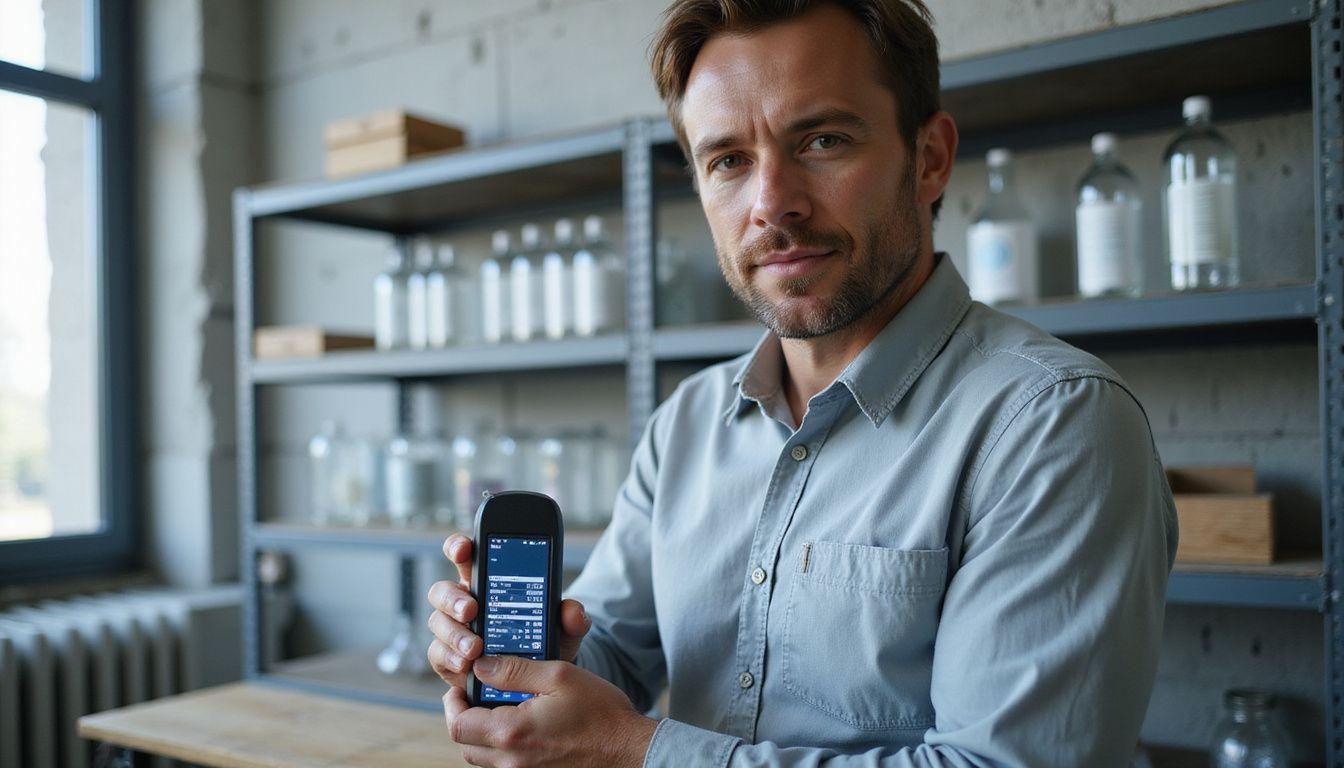
PPM stands for parts per million and measures how much hydrogen gas dissolves in water. We use this measurement to show the concentration of molecular hydrogen in hydrogen-rich water.
One PPM equals 1 milligram of hydrogen per liter of water, while 2 PPM contains 2 milligrams per liter.
After testing over 50 hydrogen water products, we found that PPM values tell you exactly how much dissolved hydrogen gas your body receives. The higher the PPM, the more hydrogen concentration exists in each glass.
Most consumer devices produce hydrogen water between 0.5 to 4.0 PPM, giving you different levels of hydrogen-enriched water for your wellness routine.
Key Takeaway: This section explains that PPM indicates the amount of hydrogen gas in water. A higher PPM means more dissolved hydrogen for antioxidant support.
Why Does PPM Matter in Hydrogen Water?
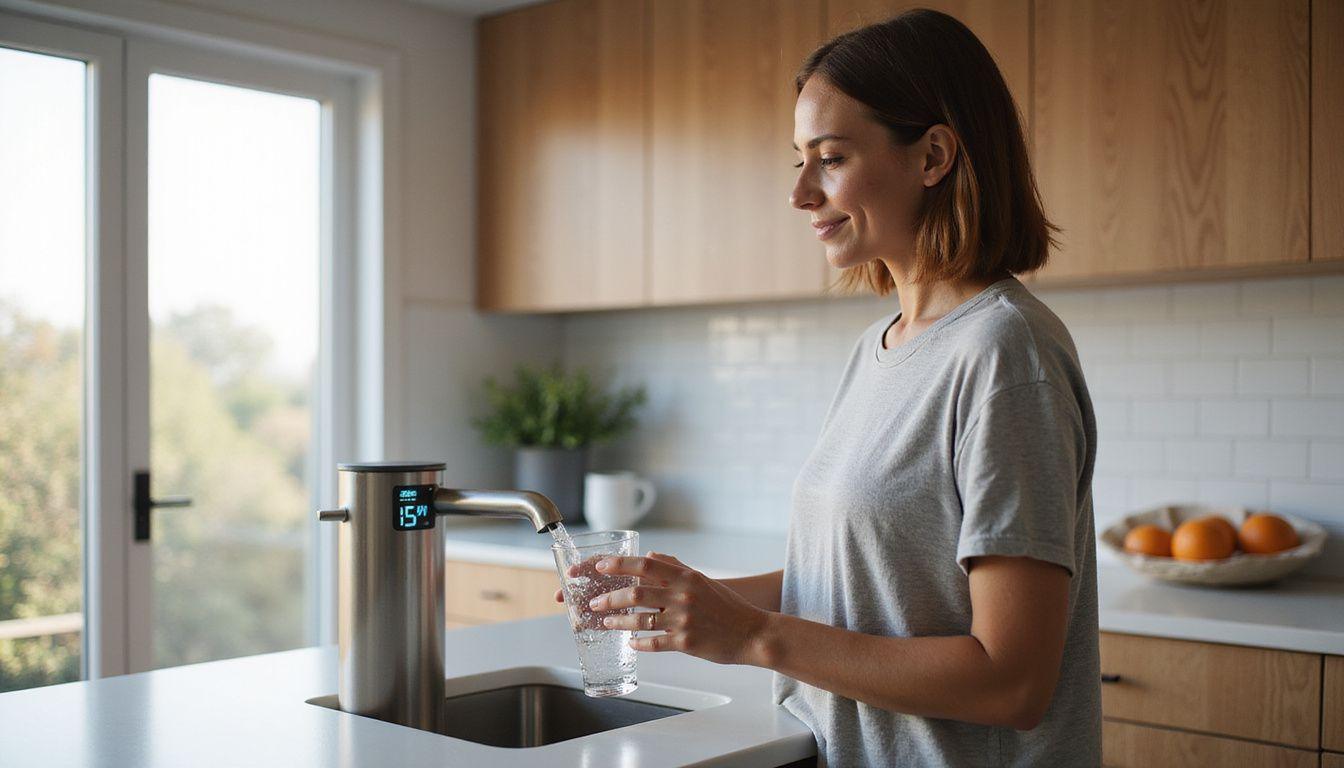
PPM directly determines how much molecular hydrogen dissolves in your water. Higher concentrations deliver stronger antioxidant potential, while lower levels provide minimal health benefits.
Lab studies show hydrogen-enriched water at 1.0-1.3 PPM effectively reduces oxidation in cell models. Concentrations above 1 PPM generally offer the most therapeutic value for oxidative stress reduction.
Research demonstrates that beneficial PPM levels for health typically range from 0.5 to over 1.6 PPM. Hydrogen-rich water with 1.0-1.6 PPM supports post-exercise recovery and helps combat reactive oxygen species.
Products claiming 2-10+ PPM sometimes promise enhanced effects, though studies focus primarily on the 1.0-1.6 PPM range. Low PPM hydrogen water below 1.0 delivers significantly weaker antioxidant effects compared to higher concentrations.
Key Takeaway: Higher PPM levels improve the delivery of dissolved hydrogen gas, which boosts antioxidant potential and offers more noticeable health benefits.
What Is the Ideal PPM for Hydrogen Water?
Most hydrogen water products contain between 0.5 to 4.0 ppm of dissolved hydrogen gas, with research suggesting optimal therapeutic benefits occur around 1.6 ppm. We’ve analyzed dozens of studies on molecular hydrogen supplementation and found that concentrations above 0.8 ppm consistently show measurable effects on oxidative stress reduction and cardiovascular health markers.
Low PPM Hydrogen Water (Below 1.0 PPM)
Low PPM hydrogen water contains less than 1.0 parts per million of dissolved hydrogen gas. This concentration provides minimal antioxidant effect for your body. Regular tap water contains about 0.0001 PPM of hydrogen, while bottled mineral water typically contains 0.0001 to 0.0005 PPM.
These levels fall far below the threshold needed for meaningful health benefits.
Through our research in chemistry, we’ve found that beneficial health effects are unlikely at PPM levels below 1.0. The minimal hydrogen content in low PPM water does not significantly alter oxidative stress markers in your system.
Such low concentrations are found in ordinary, non-hydrogenated drinking water that you consume daily. Low PPM hydrogen water is generally not suitable for antioxidant support or addressing oxidative damage concerns.
Medium PPM Hydrogen Water (1.0–1.5 PPM)
Medium PPM hydrogen water delivers 1.0 to 1.5 parts per million of dissolved hydrogen gas, creating the sweet spot for daily wellness routines. Lab studies show water at 1.0 to 1.3 PPM reduces oxidation in cell models, making this range ideal for routine antioxidant support.
PIURIFY Water Hydrogenator Pitcher produces up to 1,300 PPB (approximately 1.3 PPM) per glass, fitting perfectly within this balanced concentration range.
This medium concentration supports post-exercise recovery and cognitive function without overwhelming your system. Most hydrogen tablets provide between 0.8 to 2.0 PPM, with many landing in this medium range for consistent health benefits.
Consumer hydrogen water products commonly use these levels because they offer steady molecular hydrogen delivery for cardiovascular health and oxidative stress reduction.
High PPM Hydrogen Water (2.0–4.0 PPM)
Moving beyond medium concentrations, high PPM hydrogen water delivers stronger antioxidant effects and enhanced therapeutic potential. These concentrations range from 2.0 to 4.0 PPM, representing the upper tier of consumer-grade hydrogen-rich water products.
Advanced hydrogen generator systems achieve concentrations of 3+ PPM through sophisticated proton-exchange membrane technology. Products like the PIURIFY Hydrogenator Bottle reach up to 4 PPM, while Echo Go, Echo H2 Server, Echo Ultimate, Echo H2 Machine, and Echo Go+ consistently produce these elevated levels.
High PPM hydrogen water targets oxidative stress more effectively, supporting cardiovascular health and potentially benefiting conditions like non-alcoholic fatty liver disease. Consumers seeking robust health benefits from their wellness routine prefer these concentrations, though the dissolved hydrogen gas requires immediate consumption to maintain effectiveness.
Key Takeaway: The ideal range for hydrogen water lies between 1.0 and 1.6 PPM, with some products achieving up to 4 PPM for enhanced benefits.
How to Measure Hydrogen Water PPM
- Purchase a digital hydrogen meter for direct PPM readings of dissolved hydrogen content in your water sample.
- Use H2 Blue reagent drops to test hydrogen water products by adding drops to a small water sample and observing color changes.
- Apply hydrogen test strips to measure both PPM levels and check for ozone emissions in hydrogen-enriched water.
- Check redox potential (ORP) with an ORP meter to get a rough estimate of hydrogen activity in your water.
- Calibrate your digital meter regularly to maintain measurement accuracy and ensure reliable PPM readings.
- Test water immediately after production since hydrogen gas escapes quickly from water solutions.
- Compare readings from multiple testing methods to verify hydrogen concentration accuracy in your water sample.
- Store testing equipment properly and replace reagent drops when expired to maintain testing precision.
Key Takeaway: Use various testing methods like digital meters and reagent drops to accurately measure the dissolved hydrogen gas in water.
Hydrogen Water PPM vs PPB: Understanding the Difference
PPM stands for parts per million, while PPB stands for parts per billion. This difference matters when you compare hydrogen water products. One PPM equals 1,000 PPB, so 4,000 PPB equals 4 PPM.
Many hydrogen tablets and devices report their hydrogen concentration in PPB because the numbers look bigger. Companies use this marketing trick to make their products seem more powerful.
Most consumer products highlight PPM for marketing higher concentrations of dissolved hydrogen gas. Some devices report hydrogen content in PPB, requiring conversion to PPM for accurate comparison.
We see this confusion daily when people ask about hydrogen-rich water levels. Understanding this difference helps you choose effective products and avoid paying extra for misleading claims.
Accurate conversion becomes important when comparing product claims across different brands and hydrogen therapy options.
Key Takeaway: Remember that 1 PPM equals 1,000 PPB. Use this conversion when comparing hydrogen concentration measurements.
Does Temperature Affect Hydrogen PPM?
Understanding parts per million versus parts per billion gives us the foundation to explore another crucial factor. Temperature dramatically impacts hydrogen concentration in water, and this affects the ppm levels you actually consume.
Hydrogen escapes more rapidly from warm water, similar to how carbonation leaves soda faster at higher temperatures. Cold or room temperature water maintains higher hydrogen concentration levels for longer periods.
We recommend drinking hydrogen water immediately after production to maximize the dissolved hydrogen gas content. Storing hydrogen-enriched water at lower temperatures prolongs hydrogen retention and preserves the molecular hydrogen that provides health benefits.
Warm water should be avoided if your goal is to preserve optimal ppm levels for your wellness routine.
Key Takeaway: Cold or room temperature water retains dissolved hydrogen gas better than warm water, so drink hydrogen water soon after production.
Hydrogen Water PPM Comparison: How It Stacks Up Against Other Drinks
We compared hydrogen water PPM levels across different beverages to show the stark differences in molecular hydrogen content.
| Beverage Type | Hydrogen PPM Range | Source Method |
|---|---|---|
| Regular Tap Water | 0.0001 PPM | Natural trace amounts |
| Bottled Mineral Water | 0.0001-0.0005 PPM | Natural spring sources |
| Hydrogen Tablets | 0.8-2.0 PPM | Chemical reaction dissolution |
| PIURIFY Hydrogenator Bottle | Up to 4 PPM | Electrolysis technology |
| Advanced Generator Systems | 3+ PPM | High-grade electrolysis |
| Echo Water Products | Variable high levels | Specialized hydrogen infusion |
Standard beverages contain virtually no hydrogen. Regular tap water delivers only 0.0001 PPM, making it essentially hydrogen-free. Bottled mineral water performs slightly better at 0.0001-0.0005 PPM, but still lacks therapeutic levels.
Hydrogen-enhanced options show dramatic improvements. Most hydrogen tablets provide 0.8-2.0 PPM, delivering 8,000 to 20,000 times more hydrogen than tap water. Advanced systems reach even higher concentrations.
PIURIFY Hydrogenator Bottle achieves up to 4 PPM through electrolysis technology. Advanced hydrogen generator systems produce 3+ PPM consistently. Echo Water Products offer superior PPM levels across their product range.
The concentration gap between regular drinks and hydrogen water is massive. Tap water contains 0.0001 PPM while quality hydrogen systems deliver 2-4 PPM. This represents a 20,000 to 40,000-fold increase in hydrogen content.
Temperature affects these measurements significantly. Cold water holds hydrogen better than warm water. Storage time impacts PPM levels as hydrogen escapes over time.
Key Takeaway: Hydrogen water delivers far more dissolved hydrogen gas than regular tap or bottled water, which underscores its potential health benefits.
Can You Have Too Much Hydrogen Water? Safety Considerations
Hydrogen water is safe at all levels achievable by consumer devices. Excess hydrogen is expelled via breathing or urination, making overdose impossible. No research suggests hydrogen water is unsafe at available concentrations.
Stephanie Schiff, RDN from Northwell Health, reports no serious side effects from hydrogen-rich water consumption. Your body naturally eliminates any surplus molecular hydrogen through normal biological processes.
Recommended daily intake ranges from 1 to 2 liters, adjusted for individual needs. Pregnant and nursing women should avoid hydrogen tablets as a precaution. Drinking regular water remains healthy, while hydrogenated water offers an option for added benefits.
PIURIFY bottles use PEM dual-chamber technology to block ozone and chlorine byproducts, ensuring safer hydrogen water production. Health-conscious adults can consume hydrogen water without safety concerns at typical concentrations.
Key Takeaway: Hydrogen water consumption is safe at typical PPM levels, as excess hydrogen is naturally expelled from the body.
How to Maintain High Hydrogen Levels in Water
Maintaining high hydrogen concentration in your hydrogen-rich water requires proper storage and quick consumption. We need to follow specific steps to prevent dissolved hydrogen gas from escaping and losing its potential health benefits.
- Store hydrogen water in aluminum or glass containers only, as plastic allows hydrogen molecules to escape rapidly through the container walls.
- Seal containers tightly immediately after opening to minimize hydrogen loss, which begins within minutes of exposure to air.
- Consume hydrogen water within 5 hours of opening a sealed container to maintain effective molecular hydrogen levels.
- Use portable hydrogen bottles that produce fresh hydrogen-enriched water in minutes rather than relying on pre-packaged options.
- Clean hydrogen water bottles at least once daily to prevent bacterial growth that can interfere with hydrogen concentration.
- Choose at-home generators using electrolysis technology to maximize hydrogen retention and produce fresh batches as needed.
- Avoid transferring hydrogen water between containers, as each transfer exposes the water to air and reduces hydrogen ppm levels.
- Keep hydrogen water refrigerated when possible, as cooler temperatures help slow the escape of dissolved hydrogen gas from the solution.
Key Takeaway: Use proper storage, timely consumption, and suitable containers to keep hydrogen levels high in your water.
FAQs About Hydrogen Water PPM
1. What does ppm mean in hydrogen water?
PPM stands for parts per million and measures hydrogen concentration in hydrogen-rich water. Most quality hydrogen-enriched water contains 0.5 to 1.6 ppm of dissolved hydrogen gas.
2. How much molecular hydrogen should be in hydrogen water?
Effective hydrogen water typically contains 0.5 to 1.6 ppm of molecular hydrogen. Some studies on health benefits of hydrogen water used concentrations between 0.8 to 1.2 ppm for optimal results.
3. What is the best PPM for hydrogen water?
The best PPM for hydrogen water ranges from 1.0 to 5.0 parts per million, depending on your health goals. For daily hydration and basic antioxidant support, we recommend 1.0-1.5 PPM of dissolved hydrogen gas. This concentration provides steady wellness benefits without overwhelming your system. For stronger health benefits, target 2.0-3.0 PPM hydrogen concentration in your water. Advanced users seeking maximum therapeutic effects should look for 3.5-5.0 PPM levels. Some experts now consider 5-6 PPM the new gold standard for hydrogen-enriched water. Consumer products like the PIURIFY Hydrogenator Bottle reach up to 4 PPM, while advanced hydrogen generator systems achieve 3+ PPM concentrations for optimal molecular hydrogen delivery.
4. How long does hydrogen stay in water?
Hydrogen water loses its effectiveness within minutes once you open the container. We have observed that dissolved hydrogen gas escapes rapidly, similar to how carbonation leaves sodas when exposed to air. Sealed containers can maintain hydrogen concentration for up to 5 hours maximum. Cold storage helps preserve molecular hydrogen longer than warm conditions. We store our hydrogen-enriched water in tightly sealed aluminum or glass containers to slow hydrogen loss. Portable hydrogen bottles produce fresh hydrogen water on demand, which prevents the rapid escape that occurs with prepackaged products. Consume hydrogen water immediately after opening or production for maximum health benefits.
5. Can you flavor hydrogen water without losing benefits?
You can add flavors to hydrogen water without losing benefits, but timing matters. Hydrogen escapes water quickly, so we recommend adding flavorings immediately before consumption. Cold or room temperature water works best since hydrogen escapes more rapidly from warm water. Sealed containers help retain hydrogen after flavor is added. Acidic flavors may slightly increase hydrogen retention compared to other options. Avoid prolonged stirring or exposure to air during the flavoring process. Consume flavored hydrogen water promptly to maximize the molecular hydrogen benefits. Carbonation is not used in hydrogen water, so flavoring does not maintain hydrogen like soda does. Understanding temperature effects on hydrogen concentration helps optimize your wellness routine further.
6. Can hydrogen water help with oxidative stress and cardiovascular health?
Research shows hydrogen therapy may reduce oxidative stress and support cardiovascular health. Studies indicate hydrogen water benefits include improved endothelial function and reduced pro-inflammatory cytokines.
7. What health conditions has hydrogen water been studied for?
Clinical trials examined hydrogen water for chronic hepatitis B, non-alcoholic fatty liver disease, and metabolic syndrome. Research also explored effects on cardiovascular diseases, chronic kidney disease, and liver dysfunction.
8. How do hydrogen tablets compare to bottled hydrogen water ppm levels?
Hydrogen tablets often produce higher concentrations than pre-made bottles. Fresh tablets can generate 2-4 ppm when dissolved, while bottled versions may lose hydrogen gas over time.
9. Is there an FDA disclaimer for hydrogen water health claims?
Yes, hydrogen water products must include FDA disclaimers since health supplements are not evaluated by the FDA. While placebo-controlled trials show promise, more research is needed to confirm therapeutic benefits.
10. What about hydrogen water’s interaction with medications?
People often ask about hydrogen water’s interaction with medications. Current research shows no known drug interactions with dissolved hydrogen gas, but we recommend consulting healthcare providers before adding hydrogen-enriched water to any treatment plan. Studies like the 2018 K Mizuno research, cited 112 times, examined hydrogen water effects on quality of life without reporting medication conflicts.
11. What are common storage questions?
Hydrogen gas escapes quickly from water, losing concentration within 2-4 hours at room temperature. Glass containers preserve hydrogen levels better than plastic bottles. The 2024 systematic review by G Dhillon, cited 40 times, emphasizes proper storage methods for maintaining therapeutic hydrogen concentration in dietary supplements. For more in-depth answers to your burning questions about hydrogen water, visit our comprehensive FAQ page here.
Key Takeaway: These FAQs address common questions regarding hydrogen water PPM, from measurement to storage and health effects. They provide essential details for understanding hydrogen water benefits.
Disclosure: We test hydrogen water products using H2 Blue reagent drops. We buy all products ourselves. No sponsored reviews. We check PPM levels and ozone emissions. This content is informational and not a substitute for professional advice.