How Much Hydrogen Water Per Day: Evidence-Based Dosage Guide
Most published human studies have used roughly 1–2 liters of hydrogen water per day, at hydrogen concentrations in the low single-digit ppm range. There is no universal standard. What matters is both the volume you drink and the actual dissolved-hydrogen concentration — because hydrogen escapes once water meets air, freshness and a verified device matter as much as how many liters you consume.
Understanding the right daily amount requires looking past marketing claims to clinical evidence. Manufacturer specifications rarely match real-world output, and device quality determines whether you are consuming the concentrations used in published studies or plain water with trace hydrogen.
This guide synthesizes published human research and manufacturer documentation to give practical dosage guidance grounded in the science, not sales pitches. This information is educational, not medical advice — consult your doctor before starting any health regimen.
What Daily Dosage Do Clinical Studies Actually Support?
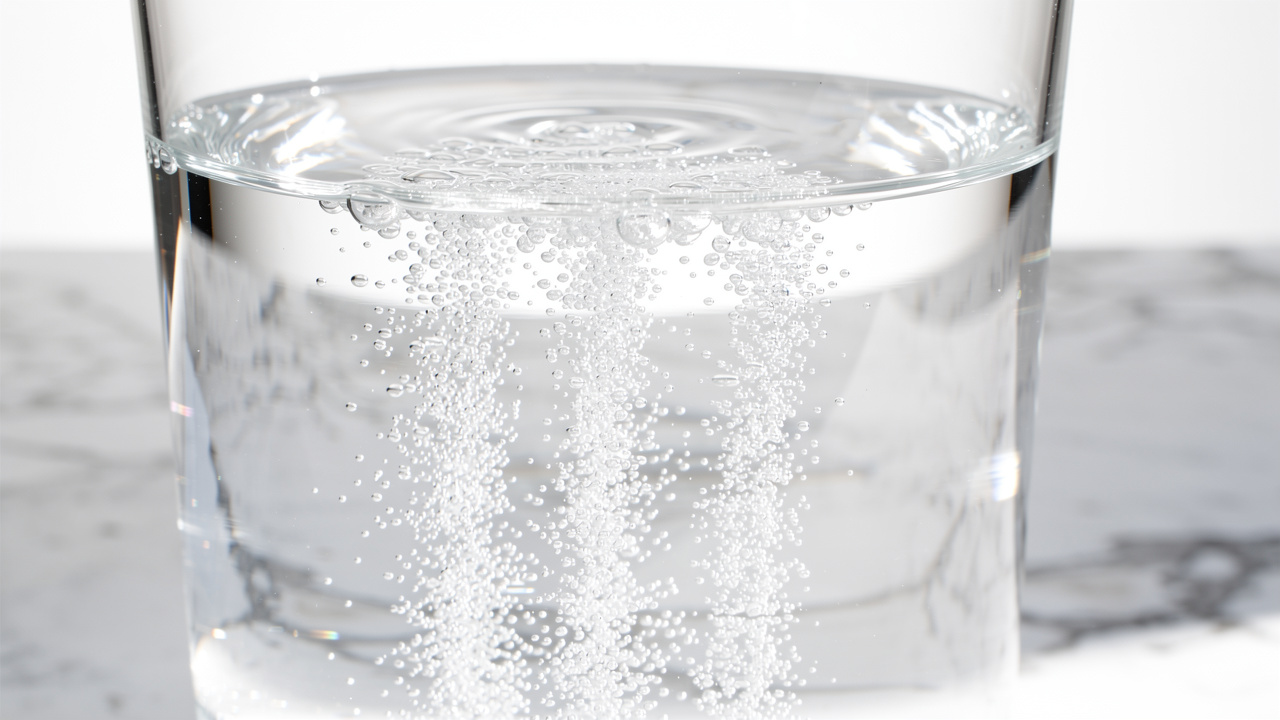
Published human trials examining hydrogen water have generally used volumes in the 0.5–2 liter range, though protocols vary considerably across studies. The concentration used in these trials typically sits in the low single-digit ppm range, reflecting what researchers considered potentially therapeutic doses based on earlier animal and cell-culture work.
Understanding the difference between concentration and volume is essential:
- Concentration (measured in parts per million or mg/L) tells you how much dissolved hydrogen is present.
- Volume tells you how much water you are drinking.
- Both variables matter because your body can only absorb a certain amount of hydrogen at once, regardless of how much water you consume.
The FDA classifies hydrogen gas as Generally Recognized as Safe (GRAS), which addresses toxicity and safety for consumption. This classification is not a therapeutic claim or an endorsement of health benefits — it simply means hydrogen gas is not known to cause harm at consumer-device concentrations when used as intended.
Measurement note: 1,000 parts per billion (ppb) equals roughly 1 mg/L, which is the same as 1 ppm. Manufacturers may use either unit, but they describe the same concentration when converted properly.
Higher concentrations do not necessarily produce better results. The body’s capacity to absorb and use dissolved hydrogen appears to plateau beyond certain thresholds. Devices producing concentrations well above typical research levels are still safe, but the additional hydrogen may simply be exhaled rather than absorbed.
When evaluating dosage recommendations, distinguish between clinical trial protocols and marketing materials. Studies published in peer-reviewed journals document specific volumes and concentrations used under controlled conditions. Advocacy organizations and device manufacturers may cite that research but sometimes extrapolate beyond what the data actually supports.
This guide synthesizes published human research and manufacturer documentation; it is not based on our own clinical testing.
How Should You Adjust Intake Based on Body Weight and Activity Level?
For a general adult baseline, roughly 1–2 liters per day falls within the range used in published studies. New users often start at the lower end — around 0.5–1 liter daily — to let their digestive system adapt before increasing intake.
Activity Level Considerations

Active individuals and athletes may time consumption around exercise sessions. Some studies examining athletic performance have used pre-workout servings, though specific claims about lactate buffering or performance enhancement should be evaluated carefully, since the evidence base remains limited.
Body-weight scaling is not standardized in current research. Most clinical trials use fixed volumes regardless of participant size, which means there is no clear guidance on whether a smaller person should drink less than a larger one. This is an honest gap in the evidence rather than an oversight in this guide.
Important: hydrogen water should replace, not supplement, your normal daily hydration. If you typically drink 2 liters of water a day, substituting 1–2 liters of that with hydrogen water keeps your total fluid intake consistent rather than adding extra volume that could lead to overhydration.
Special Populations Requiring Medical Guidance
The following groups should consult their healthcare provider before adjusting hydrogen water intake:
- Pregnant individuals
- Nursing mothers
- People with chronic kidney disease
- Those taking medications with a narrow therapeutic window
- Individuals with diabetes
- Anyone managing an autoimmune condition
These populations are not necessarily at risk from hydrogen itself, but their underlying conditions or treatments may interact with changes in hydration patterns or electrolyte balance. For medical guidance, consult a healthcare provider.
When Should You Drink Hydrogen Water for Maximum Effectiveness?
Spacing your intake throughout the day — morning, afternoon, and evening — maintains more consistent antioxidant support than consuming a large volume all at once. Your body can only absorb a certain amount of dissolved hydrogen in a single sitting, so smaller servings distributed across the day may be more effective than one large dose.
If you are considering an evening serving, our guide on hydrogen water before bed looks at whether timing affects sleep.
The Freshness Rule
Critical: dissolved hydrogen dissipates rapidly once water is exposed to air. This is basic physical chemistry — hydrogen is the smallest molecule there is and escapes through most materials easily. Drink hydrogen water soon after generating it or opening a sealed container to ensure you are consuming the concentration you intend.
Current evidence does not strongly favor drinking hydrogen water on an empty stomach versus with meals. Some users prefer a morning serving before eating, while athletes often time intake around workouts. Consistency of timing matters more than the specific pairing with food. Choose a routine you can maintain daily rather than constantly changing when you drink it.
Storage Considerations
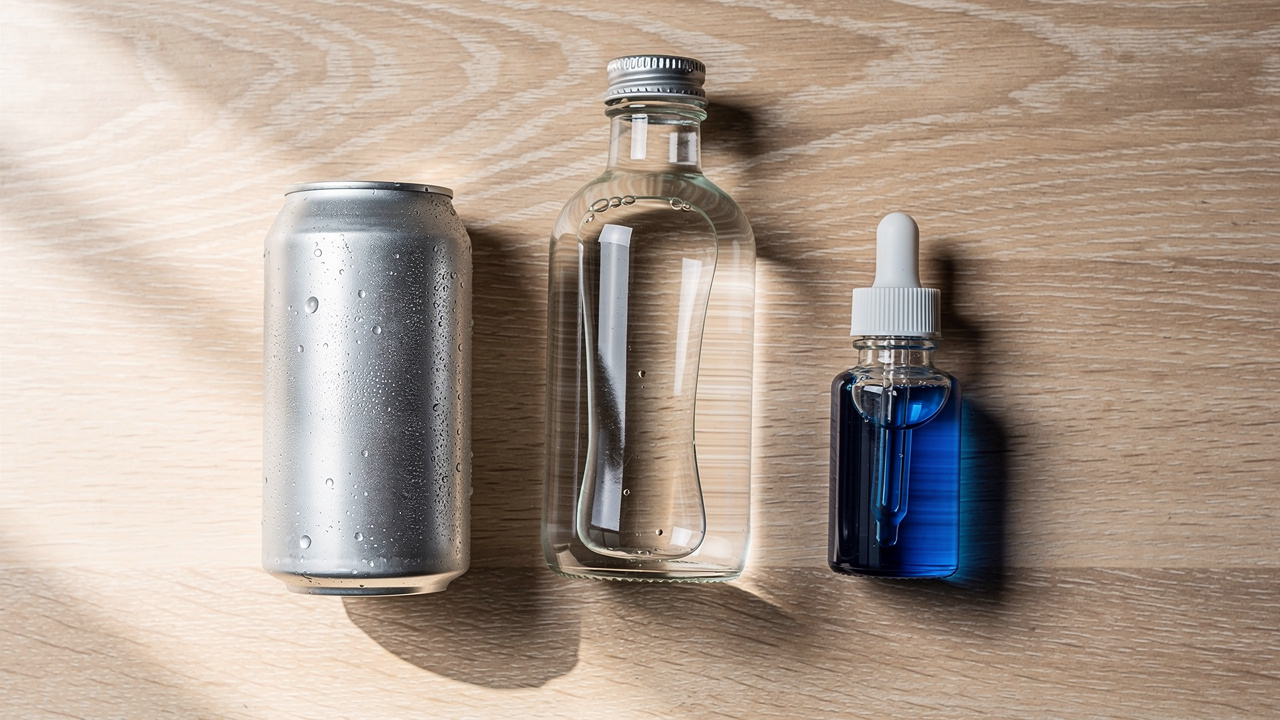
Storage affects the delivered dose significantly:
- Non-permeable containers (aluminum cans or tightly sealed glass bottles) hold hydrogen better than permeable plastic.
- Even high-quality containers lose hydrogen over time.
- Freshly generated water typically delivers higher concentrations than pre-packaged products that have been sitting in warehouses or on shelves.
Verification tip: the only reliable way to know the actual concentration at the moment you drink is to test it yourself using hydrogen reagent drops. Manufacturer specification sheets are unverified and often reflect ideal laboratory conditions rather than real-world output.
What Are the Safety Limits and Cost Considerations at Recommended Doses?
Hydrogen gas itself is non-toxic and rapidly cleared from the body through respiration. Any hydrogen your body cannot absorb or use is simply exhaled through your lungs, which is why there is no established toxic dose for molecular hydrogen at consumer-device concentrations.
Understanding the Real Risks
The real risk with hydrogen water is overhydration, not the hydrogen itself. Drinking a large volume of any water — hydrogen-enriched or plain — faster than your body can process it can dilute the electrolytes in your blood, a dangerous condition called hyponatremia. Spread your intake throughout the day rather than consuming large amounts in a short window.
Warning sign: a chemical smell or metallic taste is a device warning sign, not a normal characteristic of hydrogen water. These signals suggest possible ozone contamination or heavy-metal leaching from poor-quality electrodes. If you notice either, stop using that device immediately and have it inspected or replaced.
Cost Economics
Cost varies dramatically between home generators and pre-packaged products:
| Option | Upfront cost | Long-term cost | Considerations |
|---|---|---|---|
| Pre-packaged (pouches/cans) | Low | High (expensive at 1–2 L daily) | Convenience, consistent dosing |
| Home generators | High | Low per-liter cost | Requires verification, quality varies |
However, cheap uncertified generators introduce risks that outweigh any cost savings.
Device Safety Criteria
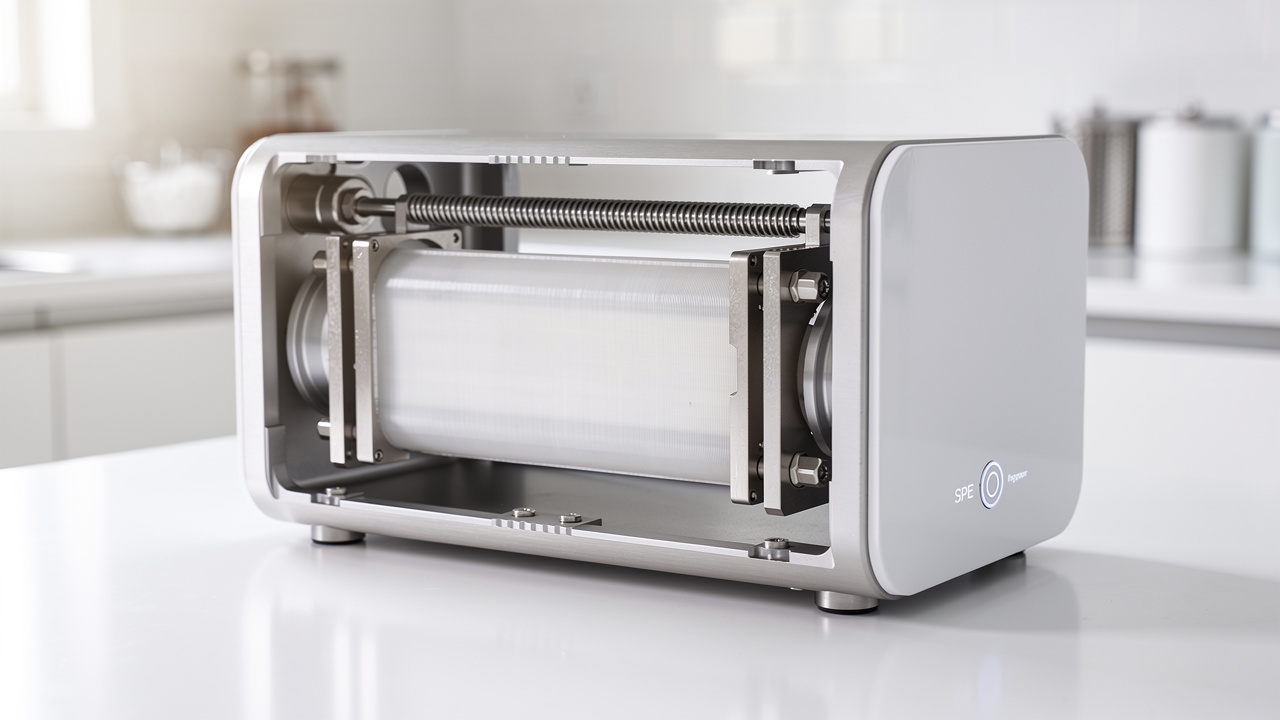
Device safety criteria matter more than concentration specifications. Look for:
- SPE/PEM technology (Solid Polymer Electrolyte / Proton Exchange Membrane) electrolysis, which separates hydrogen from oxygen and other gases.
- Visible waste-gas venting — essential, since devices without proper venting may allow ozone or chlorine to mix with your drinking water.
Cheap, uncertified devices add risks completely unrelated to hydrogen dosage:
- Heavy-metal leaching from low-quality electrodes
- Ozone exposure from inadequate gas separation
- Chlorine contamination from improper electrolysis
An independent hydrogen-reagent test confirms whether a device produces the concentration it claims, but it does not verify the absence of contaminants. Device quality and concentration verification are both necessary for safe consumption.

The Bottom Line
For most healthy adults, the research-supported target is roughly 1–2 liters daily at concentrations in the low single-digit ppm range. Both verified concentration and device quality matter as much as the volume you drink. Freshness, proper storage, and adherence to product quality standards through independent testing help ensure you are consuming the dose you intend rather than plain water with trace hydrogen.
Consult your doctor before starting hydrogen water, especially if you are pregnant, nursing, taking medications, or managing any chronic health condition. Device safety — specifically SPE/PEM technology and waste-gas venting — is non-negotiable for safe daily use.
If you are ready to choose a device that meets these safety and concentration standards, our independent reviews of hydrogen water bottles and hydrogen water generators assess each one against the criteria in this guide, drawing on manufacturer documentation and verified-buyer reports rather than marketing claims.
If a bottle or generator is not practical for you, hydrogen water tablets like PHM are another way to hit a daily dose.
This guide is informational, not medical advice. Consult a qualified healthcare provider before making changes to your hydration or supplement regimen.
If tablets are your source, the daily question is really a magnesium question: the three most-searched 80 mg tablets each add about a quarter of the supplemental ceiling per serving. The Dr. Mercola H2 tablets review shows the arithmetic on a label that states its water volume and measurement moment, and compares all four leading tablets on the same chemistry.
Frequently Asked Questions
Can I drink hydrogen water every day?
Daily use at 1–2 liters is consistent with protocols used in published trials, where consistency over weeks and months mattered more than any single dose. Make sure your device produces a verified concentration and is properly maintained. Consult your physician if you have chronic conditions or take medications.
How much is too much hydrogen water?
There is no established toxic dose for hydrogen gas itself — excess is simply exhaled. The real risk is drinking too much water too quickly, which can dilute electrolytes and cause hyponatremia. Keep total daily fluids reasonable, spread intake throughout the day, and ask your doctor for guidance specific to your health status and activity level.
Does hydrogen water concentration matter more than volume?
Both matter. A large volume of very low-concentration water is not equivalent to a smaller volume at a higher concentration, because absorption is limited. The only reliable way to know the actual concentration is an independent reagent test, not the manufacturer’s spec sheet. Clinical effects observed in studies used both specific volumes and specific concentrations together.
Should I drink hydrogen water on an empty stomach or with meals?
Current research does not strongly favor fasted or fed states. Consistency of timing matters more than the specific pairing. Some people prefer a morning dose before eating; others time it around workouts. Choose a routine you can maintain daily rather than constantly changing your approach based on meal timing.
Is hydrogen water safe during pregnancy or for children?
No human safety studies exist for pregnant individuals or children. Hydrogen gas is GRAS-classified, but dosage research is limited to healthy adults. Pregnant individuals, nursing mothers, and parents considering hydrogen water for children must consult their healthcare provider first. Device safety — avoiding ozone and contaminants — is especially important for vulnerable populations.
Compare your options
Independent comparisons of hydrogen water products, ranked on verified output and certification rather than marketing claims:
- Best hydrogen water tablets — device-free, nothing to maintain
- Best hydrogen water bottles — portable SPE/PEM generators
- Best hydrogen water generators — countertop and higher-output machines
- Best hydrogen water pitchers — larger volume for household use