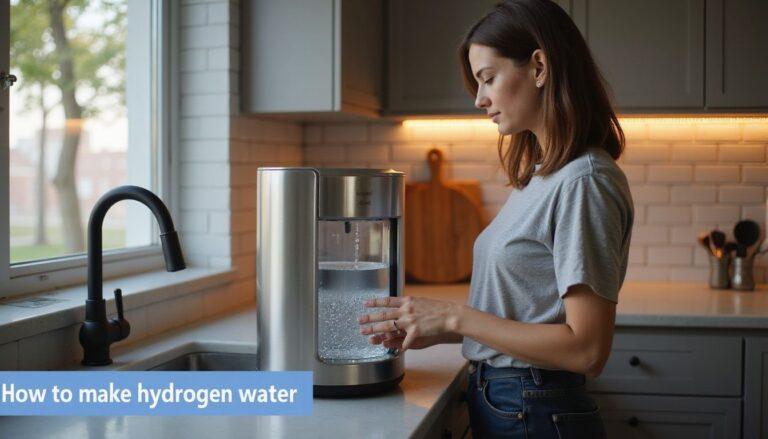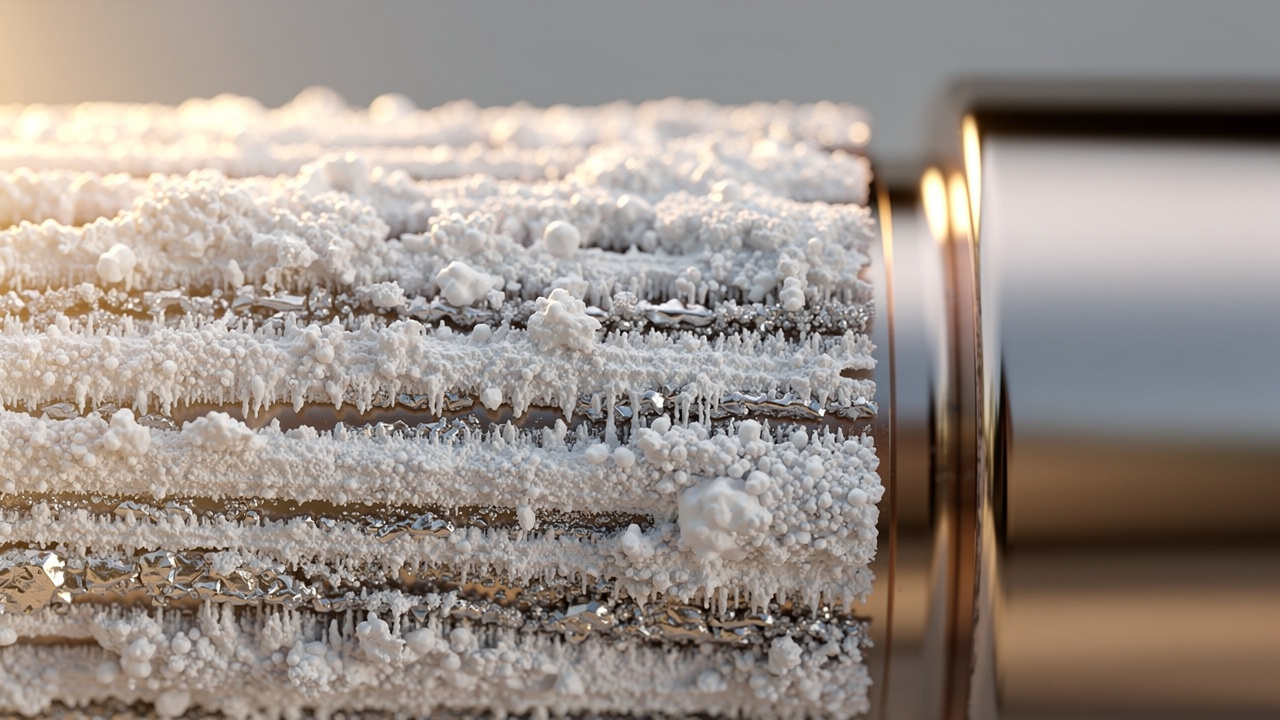
How to Clean a Hydrogen Water Bottle: Complete Care Guide
Hydrogen water bottles contain precision electronics, platinum-plated electrodes, and a Proton Exchange Membrane (PEM) — none of which tolerate the cleaning shortcuts that work for a regular reusable bottle. Mineral deposits from your water supply coat the electrodes over time, lowering measurable hydrogen output, and bacterial biofilm builds up in the moist chamber from drinking directly out of the bottle.
To clean a hydrogen water bottle, rinse the chamber with filtered water after every use and run a citric acid soak every 2–4 weeks. Dissolve 1 teaspoon of food-grade citric acid in 4 ounces of warm water, soak 30–60 minutes without activating the hydrogen cycle, then rinse three times with purified water. Never submerge the electrolyzer base, never use bleach or hydrogen peroxide on the electrodes, and never put the bottle in a dishwasher.
This guide covers why cleaning matters for output and device life, how often to descale based on your water source, the exact citric acid procedure, the safety mistakes that void warranties, and how to troubleshoot common post-cleaning issues like metallic taste or reduced bubble formation.
Why Cleaning Affects Hydrogen Output and Safety
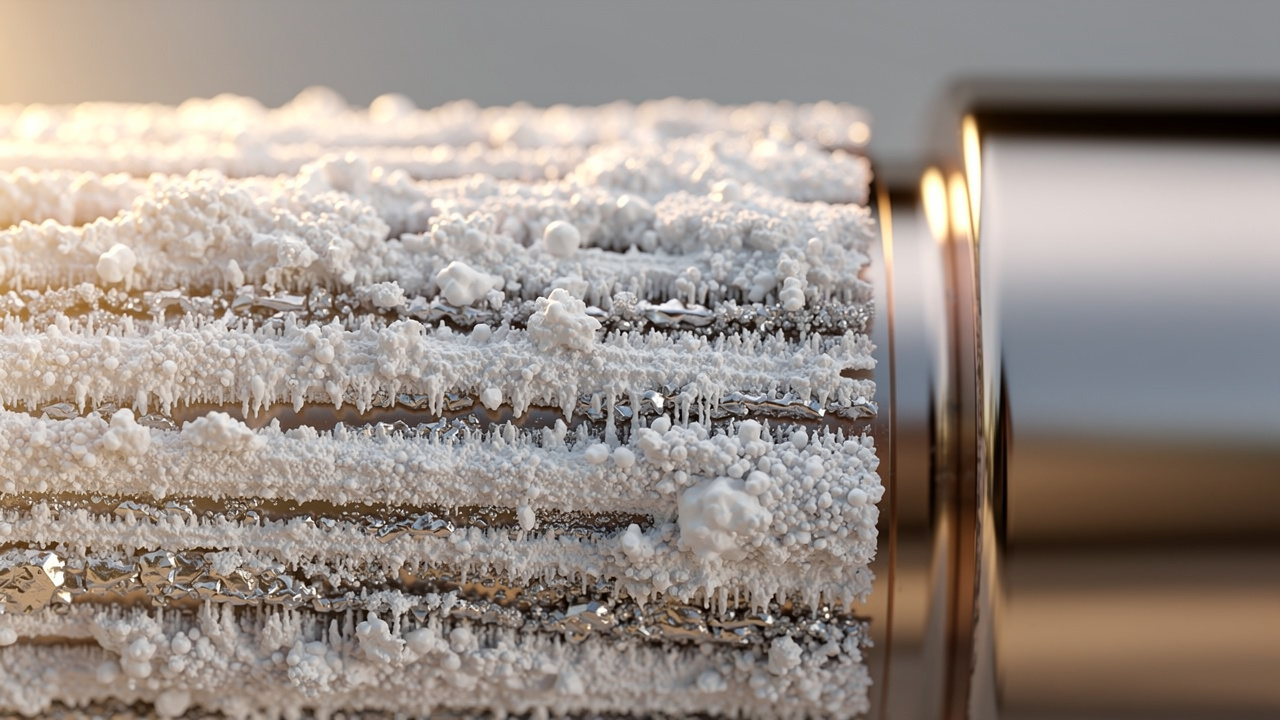
Cleaning your hydrogen water bottle directly affects the device’s ability to produce dissolved hydrogen. Calcium and magnesium from your water supply deposit on the platinum-plated electrodes during electrolysis. This mineral coating reduces electrical contact area and lowers measurable hydrogen output — and the buildup happens before any visible scaling appears. When electrode surfaces are partially insulated by mineral deposits, the electrolysis reaction becomes less efficient, and the parts-per-billion (PPB) concentration you actually drink falls below the device’s rated output.
Bacterial biofilm builds up from drinking directly out of the bottle. Each sip flows enzymes and bacteria back into the chamber. Without daily rinsing, organic material forms a slippery interior coating that can harbor pathogens and produce unpleasant smells. Warm, moist conditions inside the closed bottle accelerate microbial growth.
The PEM (Proton Exchange Membrane) separates hydrogen from oxygen during electrolysis. Harsh cleaning agents — chlorine, bleach, hydrogen peroxide, soap surfactants — can degrade the membrane. The membrane is a soft polymer layer that relies on specific ion-exchange chemistry. Oxidizing agents and detergent residue disrupt this chemistry, reducing the membrane’s ability to selectively transport protons while blocking oxygen crossover.
Most owner complaints about reduced bubble formation or weak hydrogen output trace back to mineral scaling rather than device defects. Routine descaling resolves a meaningful share of these complaints. Before contacting manufacturer support or assuming your bottle is broken, run two consecutive citric acid cleaning cycles.
For broader safety considerations — including device-level failure modes and what symptoms warrant manufacturer contact — see our hydrogen water safety overview.
This guide synthesizes manufacturer documentation, established descaling chemistry, and verified-buyer reports. HWS has not tested any cleaning agent referenced here.
How Often Should You Clean Your Hydrogen Water Bottle
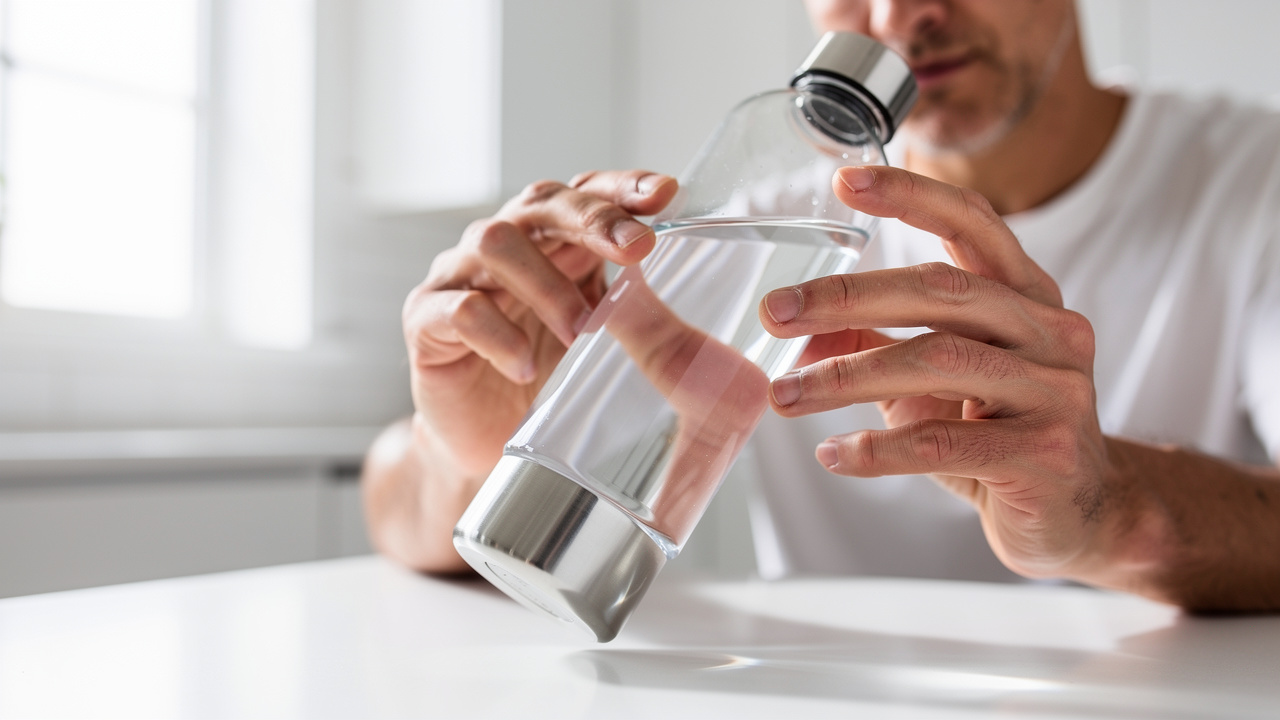
Cleaning frequency depends primarily on your water source. The daily maintenance routine takes about 60 seconds: rinse the chamber with filtered water after each use, wipe the lid threads with a damp cloth, and leave the cap off to air-dry. This step alone prevents most odor and biofilm issues. Leaving the cap off allows airflow to dry interior surfaces, which inhibits bacterial growth and prevents the musty smell that develops in sealed, moist environments.
Beyond the daily rinse, your descaling interval is set by the water you use:
- Distilled water: deep clean every 3–6 months
- RO (reverse osmosis) or purified water: every 2–4 months
- Filtered (carbon-block) water: monthly
- Tap water (especially hard water regions): every 2 weeks
Visual indicators that mean “descale now”:
- White crusty residue around the electrode area at the base of the bottle
- Visibly reduced bubble formation during the hydrogen cycle
- A metallic taste in the produced water
If you see any of these signs before your scheduled descaling interval, do the citric acid soak immediately rather than waiting.
Why water source matters: hard water contains dissolved calcium and magnesium that precipitate onto the electrodes during electrolysis. RO and distilled water contain almost none of these minerals, so scaling builds up far more slowly. Switching from tap to RO meaningfully extends descaling intervals — often from bi-weekly to quarterly. Total dissolved solids (TDS) in your water directly correlates with how quickly mineral deposits form on electrode surfaces.
Manufacturer guidance varies by device. Some models require more frequent cycle-flushing between uses; some have specific descaling cartridges or proprietary cleaning solutions. Always check your device’s manual for model-specific recommendations. For per-model specifications and maintenance details, see our hydrogen water bottle comparison.
The Citric Acid Descaling Protocol
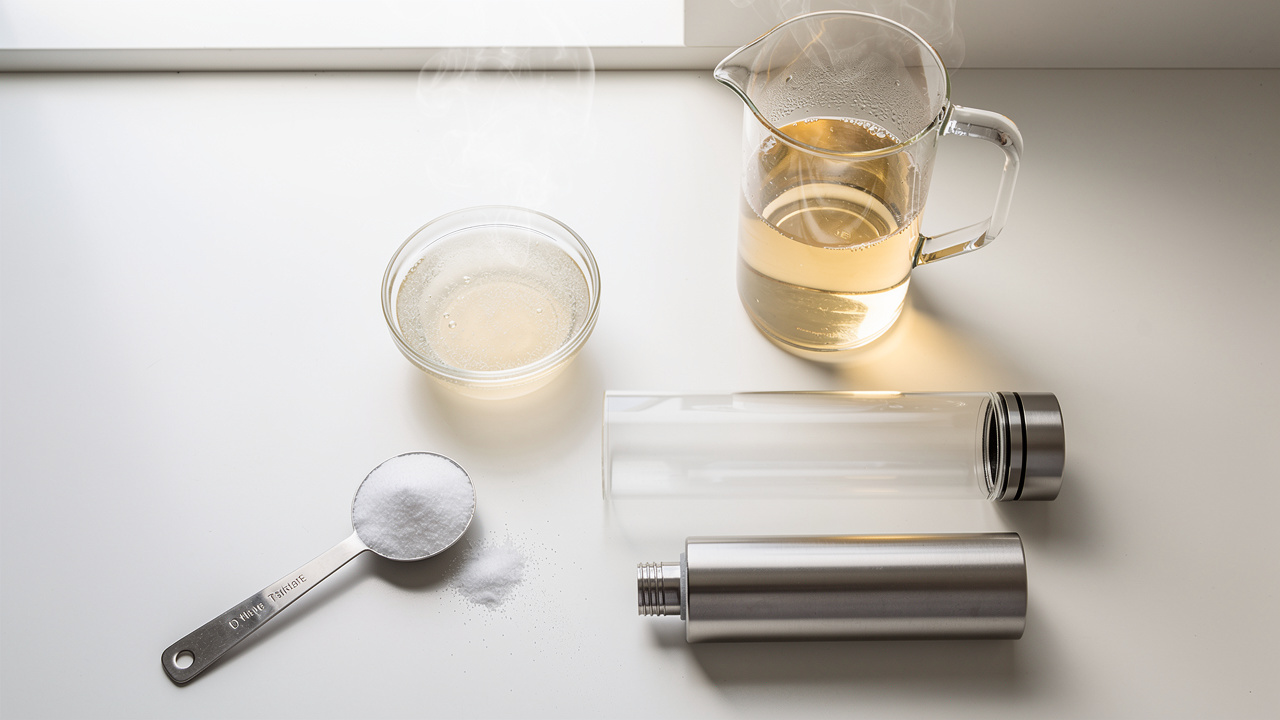
The citric acid descaling protocol is the safest, most effective method for removing mineral buildup from your hydrogen water bottle. Citric acid binds calcium ions through chelation chemistry and dissolves calcium carbonate deposits more effectively than vinegar (acetic acid), with less aggressive odor and faster rinse-out. At the recommended dilution, citric acid is PEM-membrane safe and will not degrade the polymer layer or platinum catalyst.
Materials you need:
- Food-grade citric acid powder (sold by the pound at most grocery stores, supplement retailers, and online — substantially cheaper per cleaning than branded descaling solutions)
- Warm — not boiling — purified or distilled water (lukewarm to the touch, approximately 40–50°C)
- A measuring spoon for accurate dosing
Step-by-step descaling procedure:
- Dissolve 1 teaspoon citric acid in 4 ounces of warm water. Adjust the ratio proportionally if your bottle has a larger chamber capacity. Stir until the powder is fully dissolved and the solution is clear.
- Pour the solution into the bottle chamber. Cap loosely to prevent pressure buildup but maintain containment of the solution.
- Let it sit 30–60 minutes. Do NOT activate the hydrogen cycle during the soak. Running electrolysis on citric acid can damage the PEM membrane by forcing acidic ions through under electrical pressure. Let the solution sit passively in contact with the electrodes.
- Empty the bottle and rinse three times with purified water. Fill with clean water, swirl, empty. Repeat at least three times to remove acid residue from the chamber and electrode surfaces.
- Run one flush cycle with plain water (fill, run a standard electrolysis cycle, empty) to clear any acid residue from the membrane and internal chamber surfaces.
Temperature warning: boiling water can warp the silicone seals, damage the pressure release valve, and reduce battery integrity by exposing lithium-ion cells to excessive heat.
Keep all cleaning water lukewarm — warm enough to dissolve citric acid effectively but cool enough to touch comfortably with your bare hand.
If you taste citric acid in the next produced water, rinse two or three more times with purified water and run an additional flush cycle. Acid residue is the most common cause of post-cleaning off-taste.
What Never to Do: Critical Cleaning Mistakes
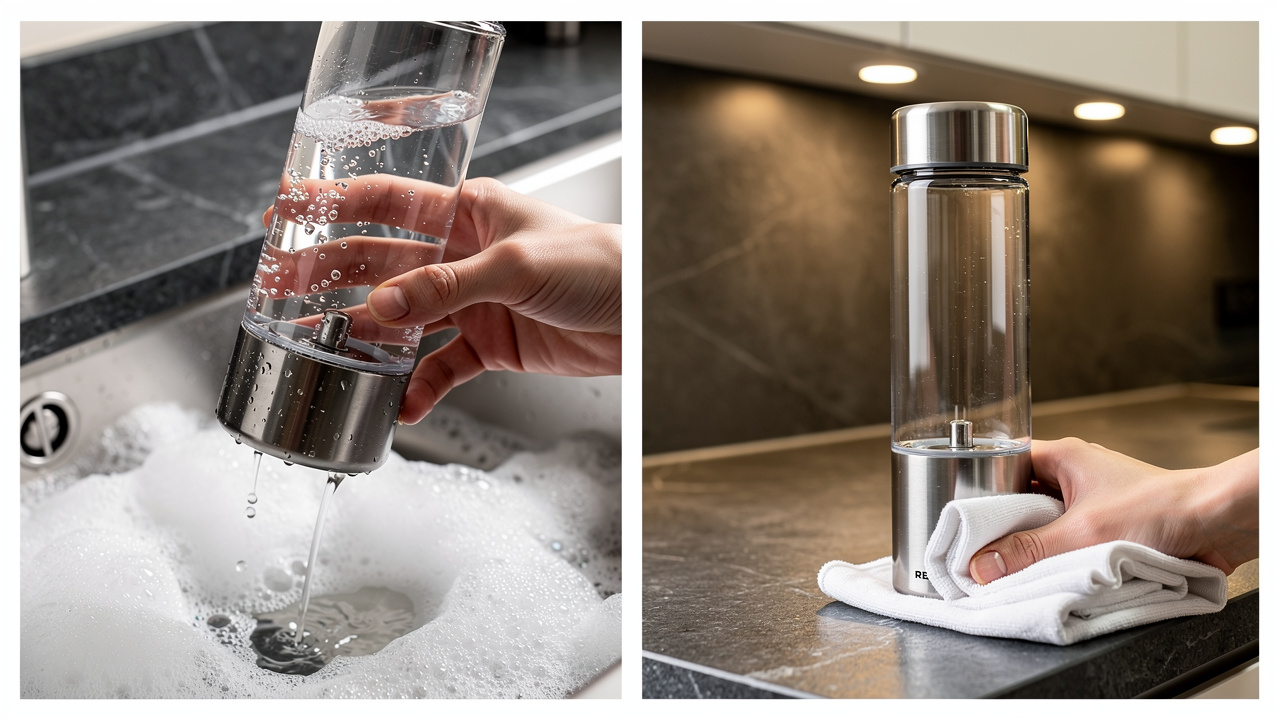
Never submerge the electrolyzer base. The base contains the battery, circuit board, and charging port. Water inside the electronics housing is the most common cause of full device failure. Wipe the exterior with a damp cloth — never run it under water or place it in a sink.
Avoid bleach, chlorine, and hydrogen peroxide on the electrode plates. These oxidizers can poison the platinum catalyst and degrade hydrogen production. Acceptable only on a fully detachable glass body — never on the base, the membrane, or anything contacting the electrolysis chamber.
No dishwashers. High-heat drying cycles and aggressive detergent residue damage seals, gaskets, and pressure release valves. Even a “dishwasher-safe” glass body is exposed to temperature swings and surfactants that coat the PEM membrane.
Never use abrasive scrubbers, steel wool, or scouring pads. Scratching the platinum coating reduces electrode efficiency and typically requires electrode replacement to recover. The platinum layer is only a few microns thick — physical abrasion exposes the underlying titanium substrate and reduces hydrogen output.
Avoid soap and detergent on the PEM membrane. Surfactants can coat the membrane and block ion exchange, lowering hydrogen output even after rinsing. Mild dish soap is safe for the detachable glass body and lid; keep it out of the electrode chamber.
Never charge with a wet USB port. Moisture in charging contacts causes short circuits — a common source of “dead battery” complaints owners mistakenly attribute to the battery itself. If you see moisture, air-dry for 24 hours before charging.
Avoid temperature extremes. Boiling water can warp seals; freezing water damages the chamber and can crack the glass body. Recovery requires replacement parts.
Leave at least 1 inch of headspace when filling. Overfilling prevents the pressure release valve from functioning correctly and can rupture seals during electrolysis. Hydrogen gas needs room to expand.
For broader safety guidance — including device-level failure modes and what to do when something goes wrong — see our side effects and device failure modes.
The Bottom Line
A 60-second daily rinse plus a citric acid soak every 2–4 weeks handles most maintenance for most owners. Adjust descaling frequency to your water source — tap water owners need it more often; RO and distilled owners need it less. Daily rinsing prevents bacterial biofilm; periodic descaling removes mineral deposits that reduce hydrogen output. This two-tier approach keeps your device functioning without expensive proprietary cleaning solutions.
Submerging the base, using bleach or hydrogen peroxide on the electrodes, running the dishwasher, and abrasive scrubbing are the four mistakes responsible for most premature device failures. Citric acid descaling on a regular schedule is the single highest-leverage maintenance habit.
If your bottle is producing fewer bubbles or a weak metallic taste, the most likely cause is mineral scaling, not a device defect. Run two consecutive citric acid cycles before contacting support. Empty after the first cycle, rinse once, then prepare a fresh citric acid solution and repeat the 30–60 minute soak.
If you are still choosing a device or considering replacement, prioritize one whose manufacturer cites third-party hydrogen output documentation. Manufacturer PPB claims often describe a peak at the moment of generation rather than what stays in the glass. For manufacturer specifications and verified-buyer review patterns, see our hydrogen water bottle comparison.
Frequently Asked Questions
Can I use tap water in my hydrogen water bottle?
You can, but expect more frequent descaling. Tap water mineral content (calcium, magnesium) accelerates scaling on the electrodes — typically meaning descaling every 2 weeks rather than every 2–4 months. Tap water does not damage the device; it just shifts maintenance burden.
What should I do if my bottle stops producing bubbles?
Most-likely cause: heavy mineral scaling on the electrodes. Run two consecutive citric acid descaling cycles. If bubbles still do not appear after thorough cleaning, contact manufacturer support with your purchase date and usage history. Persistent failure after both attempts can indicate end-of-life membrane wear that user-side cleaning cannot recover.
Is white vinegar as effective as citric acid for descaling?
Vinegar (acetic acid) works on light deposits but is less effective on calcium carbonate due to weaker chelation. It also requires longer soaks (60+ minutes) and more thorough rinsing because of residual odor. Citric acid is faster, cleaner, and PEM-safer at the recommended ratio.
Can I use hydrogen peroxide or bleach to disinfect my bottle?
Avoid both on the electrode plates and the PEM membrane. These oxidizers can poison the platinum catalyst and degrade the membrane. Acceptable only on a fully detachable glass body that has been completely separated from the electrolyzer base.
Why does my bottle have a metallic taste after cleaning?
Most-likely cause: incomplete rinsing of citric acid. Rinse three or four more times with purified water and run one flush cycle with plain water through electrolysis. Persistent metallic taste after thorough rinsing may indicate electrode wear and warrants manufacturer support contact.
Compare your options
Independent comparisons of hydrogen water products, ranked on published specifications and certifications rather than marketing claims:
- Best hydrogen water tablets — device-free, nothing to maintain
- Best hydrogen water bottles — portable SPE/PEM generators
- Best hydrogen water generators — countertop and higher-output machines
- Best hydrogen water pitchers — larger volume for household use