
This page contains affiliate links. We earn a commission on qualifying purchases at no additional cost to you. Affiliate revenue does not influence our product selection or scoring. See how we evaluate for the criteria behind every pick.
Hydrogen water research is preliminary and the long-term safety profile is not fully established. This page reviews consumer products, not health claims. If you have a medical condition, consult a clinician before making hydration changes. See side effects and dangers for what’s known and unknown.
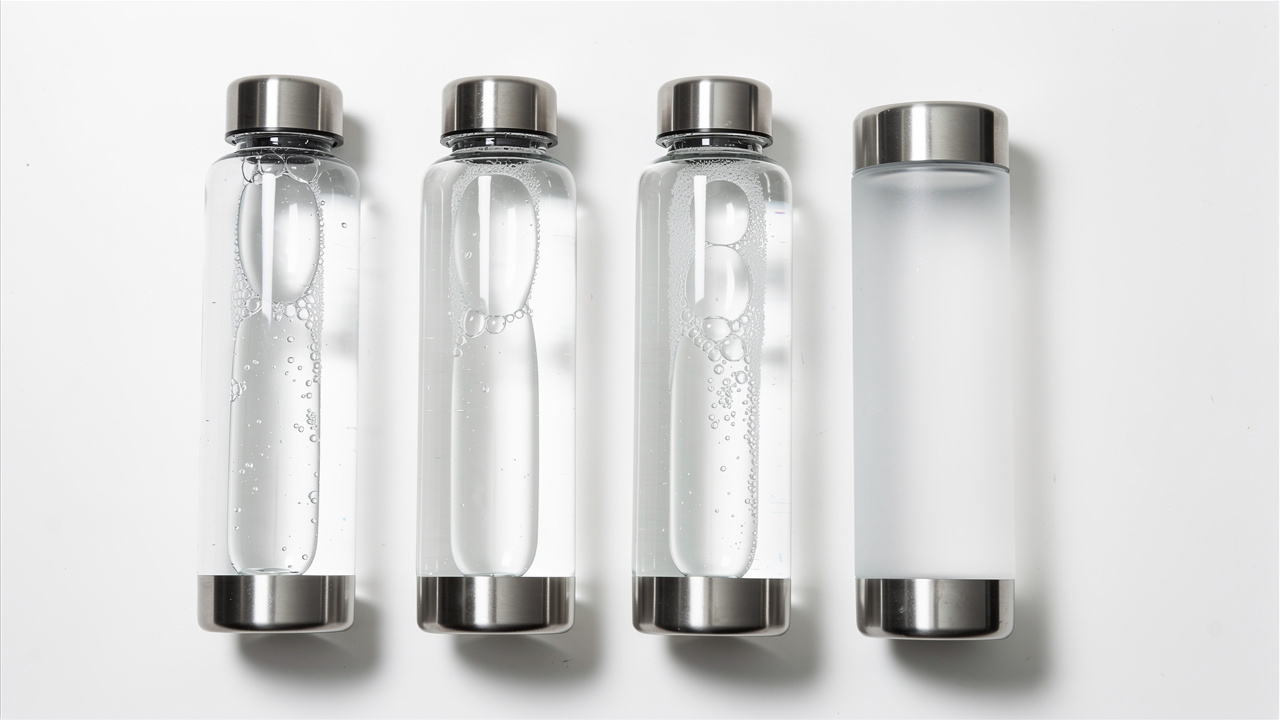
Short version: only two of these five bottles carry third-party hydrogen certification. The other three rely on manufacturer self-reporting, and the highest advertised number in this group measured roughly a third of its claim in independent buyer testing.
Best overall – LevelUpWay 13oz. H2 Analytics certified, borosilicate glass, rated up to 3,310 PPB, ~1,717 buyer ratings at 4.0/5.
Best portable – PIURIFY 10oz. H2 Analytics certified, dual 5 and 10-minute cycles with separate PPB ratings, includes a nasal cannula.
Direct from PIURIFY adds a 60-day risk-free trial, lifetime warranty and free US shipping the Amazon listing does not carry. Amazon is usually cheaper. We earn a commission either way, at no extra cost to you.
What separates a hydrogen water bottle worth buying from one that delivers marketing noise?
PPB ratings across listings run from 800 to 8,100 with no obvious way to tell which numbers survive real use. Most roundups rank by affiliate commission rather than verified output, copy the manufacturer figure straight off the listing, and skip the certification question entirely.
This review evaluates five hydrogen water bottles using verified buyer reviews, certification claims cross-checked against issuing authorities (H2 Analytics, IHSA, SGS), and manufacturer PPB ratings compared to independent buyer measurements. Two of the five carry third-party lab certifications. Three do not.
Top 5 Picks at a Glance
- No products found. – Best overall. H2 Analytics certified, borosilicate glass, rated to 3,310 PPB.
- PIURIFY 10oz Hydrogen Water Bottle – Best portable. H2 Analytics certified, dual 5 and 10-minute cycles, nasal cannula included.
- PUREPEBRIX 14oz Tritan Hydrogen Water Bottle – Highest claim at 8,100 PPB — independently measured at 2,750. IHSA certified.
- No products found. – Budget glass. Rated to 1,600 PPB, manufacturer claim only, fastest 3-minute cycle.
- Unbranded SPE/PEM 14oz Hydrogen Water Bottle – Lowest price. Rated to 1,800 PPB, manufacturer claim only, no consistent seller.
Comparison Table
Certification is the column that matters most here – two of these five have it, three do not. Prices change often, so each row links straight through to the current Amazon listing.
| Product | Best For | PPB / Cycle | Certification | Buy |
|---|---|---|---|---|
| No products found. LevelUpWay 13oz | Certified output + glass | Up to 3,310 / 6 min | H2 Analytics | No products found. |
 PIURIFY 10oz | Travel + gym | 1,600-4,100+ / 5 or 10 min | H2 Analytics + IHSA docs | Check |
 PUREPEBRIX 14oz | Largest capacity | 8,100 claimed / 2,500-2,750 measured | IHSA | Check |
| No products found. ZIHUOFAN 14oz | Budget glass | Up to 1,600 / 3 min | None | No products found. |
 Unbranded 14oz | Lowest price | Up to 1,800 / 3 min | None | Check |
#1 LevelUpWay 13oz Borosilicate Hydrogen Water Bottle
LevelUpWay earns the top recommendation for buyers prioritizing third-party certification and glass construction. It is rated up to 3,310 PPB and has been lab-tested by H2 Analytics, a recognized third-party authority. The 13oz capacity fits most cup holders, and the borosilicate glass body eliminates plastic taste.
Specs
- Capacity: 13 oz / 350 ml
- PPB rated: Up to 3,310, third-party tested by H2 Analytics
- Cycle time: 6 minutes
- Material: High borosilicate glass body, food-grade base
- Electrolysis: SPE/PEM ionic membrane
- Battery: USB rechargeable
- Warranty: 1-year per listing, lifetime customer support per brand
- Buyer reviews: ~1,717 global ratings, 4.0/5 stars
- Third-party H2 Analytics certification, uncommon at this price tier
- Glass body eliminates plastic taste and chemical leaching concerns
- Replacement glass available, which extends product lifespan
- Established brand with 1,717+ verified Amazon ratings at 4.0/5
- Six-minute cycle is fast enough for daily use
- Glass breaks easily if dropped
- Six-minute cycle is slower than ZIHUOFAN and the unbranded unit at 3 minutes
- 13 oz is smaller than the 14 oz competitors, so more frequent refills
Who should buy: Buyers prioritizing verified hydrogen output over manufacturer claims, who want glass and will handle it carefully. Suits people who value brand stability and replacement-part availability.
Who should skip: Anyone needing a durable bottle for gym bags or travel, faster cycle times, or larger capacity.
No products found.
#2 PIURIFY 10oz Hydrogen Water Bottle
PIURIFY is third-party certified by H2 Analytics, and the brand includes IHSA certification documentation in the package. It delivers 1,600 PPB in 5 minutes or 4,100+ PPB in 10 minutes, with brand-disclosed lab-tested dissolved H₂ from 2.58 to 6.30 mg/L. The dual-mode cycle gives buyers control over concentration versus time.
Direct adds a 60-day risk-free trial, lifetime warranty and free US shipping. Amazon is usually the cheaper of the two. We earn a commission on either, at no extra cost to you.
Specs
- Capacity: 10 oz
- PPB rated: 1,600 at 5 min / 4,100+ at 10 min / up to 6,310 over 3 cycles
- PPB verified: H2 Analytics third-party; IHSA certification documentation included in package
- Cycle time: Dual mode, 5 min or 10 min
- Material: BPA-free body, 304 stainless steel lid
- Electrolysis: SPE/PEM with platinum-iridium electrodes
- Battery: 1,800mAh lithium, USB-C charging
- Warranty: Lifetime per brand listing, verify terms before purchase
- Includes: Bottle, nasal cannula for hydrogen inhalation, user guide
- H2 Analytics third-party certification
- Transparent dual-mode PPB disclosure, separate ratings for 5 and 10 minutes
- Smallest in this list, fits travel bags and gym lockers
- Includes a nasal cannula for hydrogen inhalation
- USB-C charging and platinum-iridium electrodes
- Smallest capacity, 4 to 6 fills for a typical daily intake
- “Lifetime warranty” is a brand statement, so verify terms before buying
- BPA-free plastic body can impart a taste that glass does not
Who should buy: Buyers wanting strong third-party certification combined with portability. Frequent travelers and gym-goers. People who value brand support and warranty over capacity.
Who should skip: Anyone needing larger capacity, or preferring glass over plastic.
Check the current PIURIFY price on Amazon
#3 PUREPEBRIX 14oz Hydrogen Water Bottle
PUREPEBRIX advertises the highest PPB rating here at 8,100. Independent buyer testing with a calibrated H2 meter measured 2,500 PPB at 6 minutes and 2,750 PPB at 12 minutes. That gap is significant. The bottle is IHSA-certified, which validates the SPE/PEM technology, but the 8,100 headline is a peak-cycle lab figure that does not reflect typical use.
Specs
- Capacity: 14 oz
- PPB rated: Up to 8,100, manufacturer claim
- PPB independent measurement: 2,500 at 6 min, 2,750 at 12 min, verified buyer using calibrated H2 meter
- PPB verified: IHSA-certified SPE/PEM
- Lab-tested by: H2 Analytics and SGS per brand
- Cycle time: 3 modes, varied lengths
- Material: BPA-free Tritan
- Electrolysis: Platinum-iridium electrodes
- Battery: Rechargeable, ~20 cycles per charge per brand
- Warranty: 1-year per listing
- IHSA-certified SPE/PEM technology, verified against the issuing body
- Platinum-iridium electrodes resist corrosion better than plain titanium
- Largest capacity here at 14 oz, roughly 20 cycles per charge per brand
- Tritan body survives drops that would break the glass models in this list
- Advertised 8,100 PPB versus 2,500-2,750 measured by a verified buyer with a calibrated H2 meter
- Tritan can impart a plastic taste that glass does not
- One-year warranty, the shortest among the certified picks here
- The 10x refund offer is a brand statement, so confirm the claim process before relying on it
Who should buy: Buyers wanting IHSA certification and the largest capacity here, who understand the 8,100 PPB headline is a marketing peak, and who prefer durable Tritan over glass.
Who should skip: Anyone bothered by the gap between advertised and measured PPB, preferring glass, or needing a warranty longer than one year.
Check the current PUREPEBRIX price on Amazon
#4 ZIHUOFAN 14oz Borosilicate Hydrogen Water Bottle
ZIHUOFAN offers a budget glass option rated up to 1,600 PPB. It uses SPE/PEM technology and works with distilled, purified, and mineral water. There is no third-party certification, so the 1,600 PPB rating relies on manufacturer self-reporting. The 3-minute cycle is the fastest here.
Specs
- Capacity: 14 oz / 420 ml
- PPB rated: Up to 1,600, manufacturer claim only
- PPB verified: None
- Cycle time: 3 minutes
- Material: Food-grade borosilicate glass with EVE base cushion
- Electrolysis: SPE/PEM with ion membrane
- Water types accepted: Purified, distilled, mineral per brand
- Buyer reviews: ~585 global ratings, 4.0/5 stars
- Warranty: Not clearly stated on listing
- Borosilicate glass at a budget price, so no plastic taste
- Fastest cycle in this comparison at 3 minutes
- EVE base cushion adds drop protection most glass bottles lack
- Roughly 585 verified ratings at 4.0/5, enough volume to read patterns
- No third-party certification; the 1,600 PPB figure is manufacturer self-reporting only
- Warranty terms are not stated on the listing
- Glass body still breaks on a hard surface
- Brand claims mineral-water compatibility, which conflicts with minerals reducing electrolysis output
Who should buy: Buyers prioritizing glass at a budget price, willing to accept manufacturer-only PPB claims. People testing hydrogen water without a large investment.
Who should skip: Anyone wanting third-party PPB validation, clear warranty terms, or consistent brand identity.
No products found.
#5 Unbranded SPE/PEM 14oz Hydrogen Water Bottle
The unbranded SPE/PEM bottle is the lowest-priced entry point here. It is rated up to 1,800 PPB, manufacturer claim only, and uses SPE/PEM technology. The listing has no consistent brand identity and multiple resellers share the same ASIN, which creates uncertainty around customer service and warranty fulfillment.
Specs
- Capacity: 14 oz / 420 ml
- PPB rated: Up to 1,800 per listing
- PPB verified: None
- Cycle time: 3 minutes
- Material: Borosilicate glass
- Electrolysis: SPE/PEM
- Cleaning: Lid and base fully detachable
- Warranty: Unclear, inconsistent across sellers
- Lowest entry price in this comparison
- Lid and base fully detachable, which makes descaling easier than sealed units
- Three-minute cycle, matching the fastest here
- Borosilicate glass rather than plastic at this price point
- No third-party certification; the 1,800 PPB figure is manufacturer self-reporting only
- No consistent brand identity, multiple resellers share the same ASIN
- Warranty terms differ by seller and may not be honored on a resold unit
- No published review volume, so there is no durability pattern to read
Who should buy: Experimental buyers trying hydrogen water for the first time at minimum investment, who do not need warranty or brand support.
Who should skip: Anyone using hydrogen water for considered health reasons, or wanting consistent product quality across replacement orders.
Check the current price on Amazon
Which Hydrogen Water Bottle Matches Your Need
How We Evaluated
- Read every Amazon listing in full, including bullets, descriptions and Q&A
- Synthesised verified buyer reviews for PPB patterns, durability complaints, leaking and warranty experiences
- Checked every certification claim against the issuing body: H2 Analytics, IHSA, SGS
- Compared manufacturer PPB ratings against independent buyer measurements where published
- Measure PPB with H2 Blue reagent on these specific units
- Run continuous-use durability testing over weeks or months
- Verify warranty fulfilment by submitting claims to each manufacturer
- Own all five units — we hold one
Manufacturer PPB claims are peak-cycle, lab-condition numbers. Real-world output runs substantially lower — PUREPEBRIX advertises 8,100 PPB, but an independent buyer using a calibrated H2 meter measured 2,500 at 6 minutes and 2,750 at 12 minutes, roughly 30% of the rated peak.
H2 Analytics and IHSA are the recognised third-party authorities for hydrogen water testing. Bottles without those certifications rely on manufacturer self-reporting. Treat every PPB number in this review as what the brand claims, not what the bottle delivers.
How Hydrogen Water Bottles Actually Work
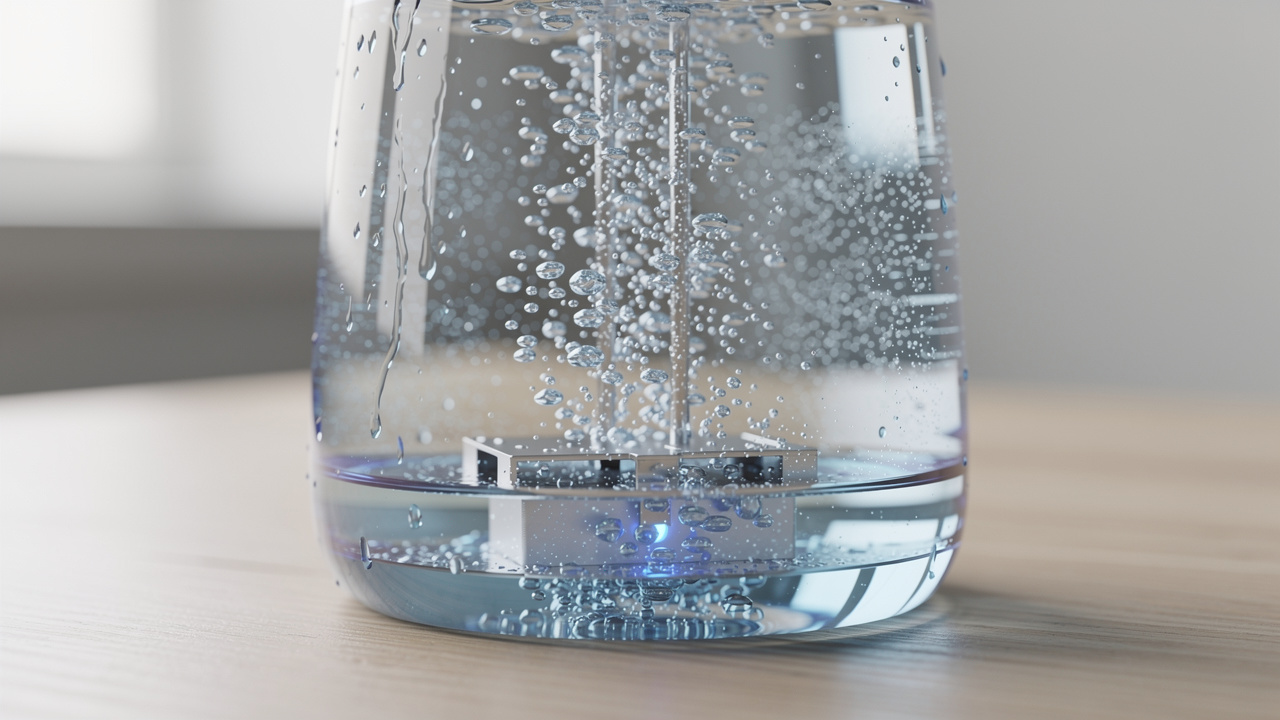
The Basic Mechanism
Hydrogen water bottles use electrolysis to dissociate water molecules into hydrogen and oxygen. The hydrogen dissolves into the water as molecular H₂, while oxygen vents out through a waste port. Most consumer bottles use SPE (Solid Polymer Electrolyte) and PEM (Proton Exchange Membrane) technology layered together.
Cycle time varies by model. Low-PPB bottles complete a cycle in 3 minutes. High-PPB bottles require up to 10 minutes. Hydrogen concentration is measured in PPB (parts per billion) or PPM (parts per million). One PPM equals 1,000 PPB.
What PPB Numbers Actually Mean
PPB measures micrograms of dissolved H₂ per liter of water. A bottle rated at “1,600 PPB” means it can produce 1,600 micrograms of hydrogen per liter under peak conditions.
Peak conditions include lab-controlled water type, cold temperature, and immediate measurement. Distilled and purified water produce higher PPB than tap water because minerals interfere with electrolysis. Cold water holds more dissolved hydrogen than warm water.
Dissolved hydrogen degasses quickly. A bottle that produces 4,000 PPB at minute zero may drop to 1,500 PPB by minute 30 if opened. Most bottles overstate their PPB ratings.
Independent measurement of the “8,100 PPB rated” PUREPEBRIX unit showed 2,500-2,750 PPB in real-world use. Gaps of this size are common across the category.
Pick bottles by certification authority and material quality, not by the highest claimed PPB number.
What to Watch For
Ozone risk: Poor-quality electrolysis cells produce ozone alongside hydrogen. Ozone is a respiratory irritant. SPE/PEM technology prevents ozone production by venting oxygen separately. More information is at our ozone gas warning page.
Electrode material: Platinum-iridium electrodes, used in PUREPEBRIX and PIURIFY, resist corrosion. Cheap titanium electrodes degrade faster, reducing PPB output over time.
Material trade-off: Glass bottles like LevelUpWay and ZIHUOFAN eliminate plastic taste but are fragile. Tritan bottles like PUREPEBRIX are durable but can impart a plastic taste.
Cycle time vs PPB: Longer cycles do not produce proportionally higher PPB. PIURIFY publishes separate PPB ratings for 5-minute and 10-minute cycles, which is more transparent than single-number claims.
Battery life: Bottles delivering fewer than 10 cycles per charge hurt usability. Check buyer reviews for battery complaints.
Cleaning: All SPE/PEM bottles need periodic flushing to remove mineral buildup. Bottles that do not disassemble fully degrade faster.
For more on safety, see our side effects and dangers page and our hydrogen water safety overview.
The Bottle Isn’t Enough on Its Own
A hydrogen water bottle generates hydrogen. What you do in the next thirty minutes matters more than the device.
- Drink within 15 to 30 minutes. Dissolved hydrogen degasses fast. A bottle producing 3,000 PPB at minute zero can fall to 1,000 PPB by minute 30 once opened.
- Do not open it mid-cycle. Opening releases pressure and drops the concentration.
- Use purified or distilled water. Minerals in tap water interfere with electrolysis and lower output.
- Never use juice, tea, milk or carbonated water. These damage the SPE/PEM membrane and shorten the unit’s life.
- Flush the membrane periodically. Follow the manufacturer’s cleaning instructions to prevent mineral buildup.
Hydrogen water is one input among many. Sleep, diet, exercise and overall hydration matter more than any single supplement or device. No bottle replaces medical advice — if you are using hydrogen water to address a health condition, consult a clinician. More at side effects and dangers.
One heavily advertised bottle deliberately left off this list: the 16 oz glass Aqua Vital, sold on Amazon under a different brand name and promoted through press releases that quote a concentration the listing itself never states. It is a competent budget SPE bottle with a marketing problem; the full Aqua Vital hydrogen water bottle review sets out what the listing confirms and what it leaves blank.
Frequently Asked Questions
What is the best hydrogen water bottle in 2026?
Are hydrogen water bottles actually worth buying?
How do hydrogen water bottles work?
How many PPB should a hydrogen water bottle produce?
Is hydrogen water safe to drink every day?
How long does hydrogen water stay hydrogen-rich?
Can you use tap water in a hydrogen water bottle?
Bottom Line
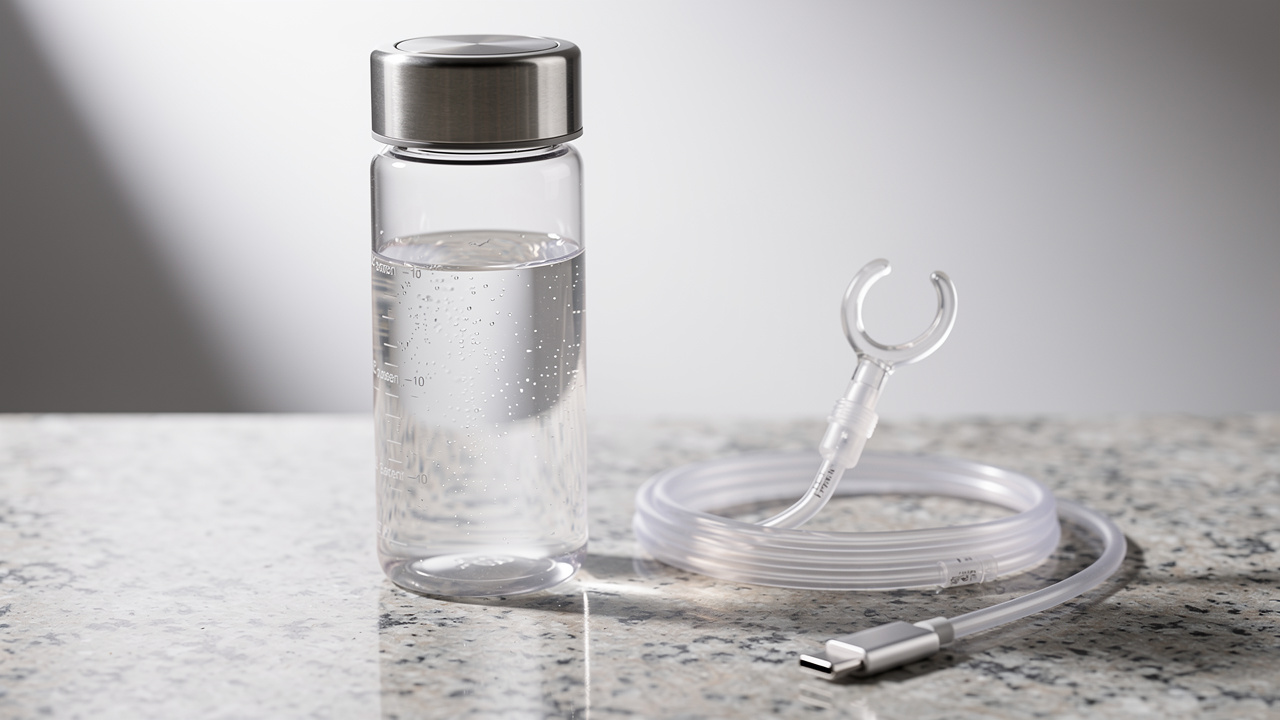
Two of five are worth your confidence
LevelUpWay and PIURIFY carry third-party certification from H2 Analytics. That is the whole difference. PUREPEBRIX has the loudest number at 8,100 PPB and the widest gap to reality — buy it for the IHSA certification, not the headline. ZIHUOFAN and the unbranded bottle are budget entries for buyers comfortable accepting manufacturer-only claims.
All five are real hydrogen water bottles. None delivers the peak it advertises. Confident buying means matching certification level to your own tolerance for marketing claims.
For a deep single-product walkthrough, see our Echo Go Plus review, our Piurify review, or our EVOLV review. For a head-to-head, see EVOLV vs Echo Go+. Prefer device-free? See our best hydrogen water tablets guide.
Final medical disclaimer: The statements in this review have not been evaluated by the FDA. This content is for informational purposes only and does not constitute medical advice. Consult a qualified clinician before making health-related decisions.
Last update on 2026-09-08 / Affiliate links / Images from Amazon Product Advertising API
This product presentation was made with AAWP plugin.