
Hydrogen water and alkaline water are constantly confused, but they solve completely different problems. One adds a dissolved gas to neutral water; the other shifts pH with minerals.
Hydrogen water dissolves molecular hydrogen (H₂) into neutral-pH water, where early research suggests it may act as a selective antioxidant; alkaline water raises pH with added minerals, mainly to buffer stomach acid for reflux. Choose hydrogen water for antioxidant and recovery goals, alkaline water for reflux relief or extra minerals. Whichever you pick, device or mineral quality matters more than the label.
This guide covers the chemistry that separates these waters, the evidence behind their health claims, safety considerations for each type, cost and accessibility, and a goal-based verdict to help you decide which belongs in your routine.
What Makes Hydrogen Water and Alkaline Water Chemically Different?
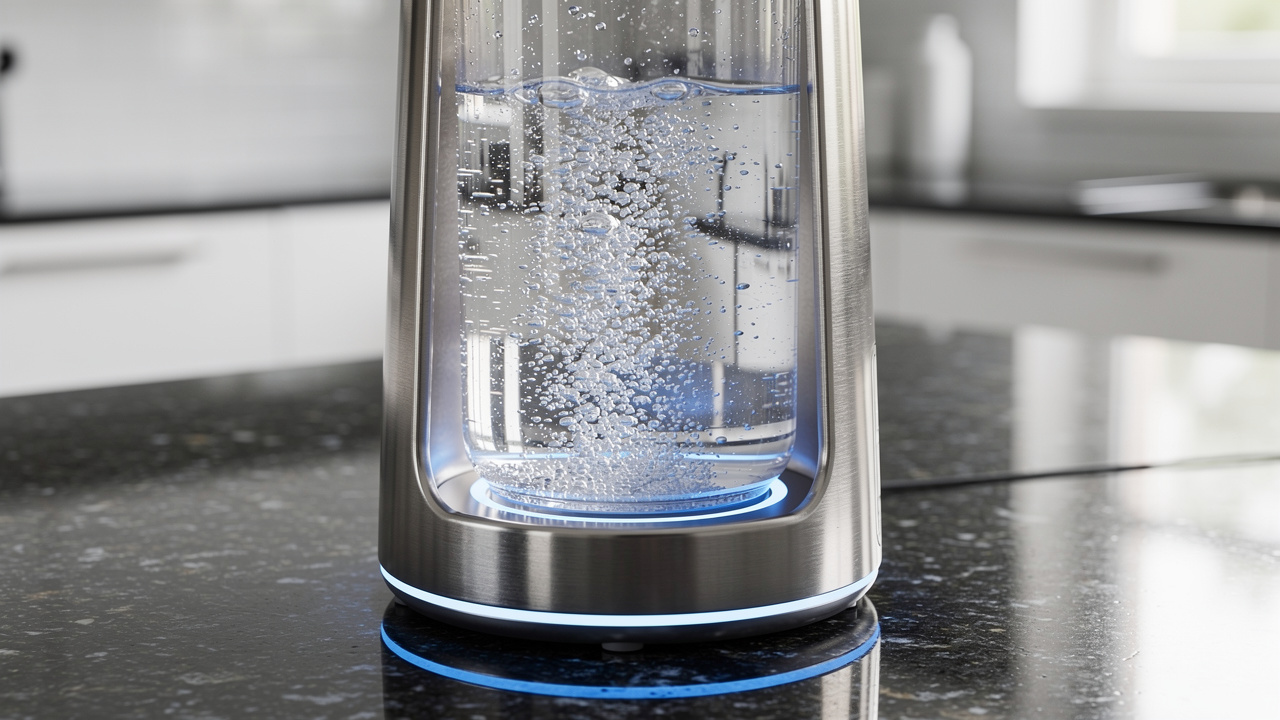
Hydrogen water is regular H₂O with dissolved molecular hydrogen gas (H₂) added. Water already contains hydrogen atoms bonded to oxygen; hydrogen water introduces free-floating H₂ molecules that stay dissolved in the liquid. The pH stays neutral, typically around 7.0, just like tap water.
Alkaline water is defined by its elevated pH, usually between 8.0 and 9.5. That higher pH comes from alkaline minerals such as calcium, magnesium, potassium, and bicarbonate, which raise the water’s ability to neutralize acid.
The production methods differ. Hydrogen water is typically made through PEM (Proton Exchange Membrane) electrolysis, which splits water into hydrogen and oxygen gases, vents the oxygen and any ozone byproduct, and dissolves the pure hydrogen back into the water. Alkaline water is produced through ionization (which also uses electrolysis but separates acidic and alkaline streams) or through mineral infusion, where alkaline minerals are added to purified water.
Distilled water (minerals removed) can serve as the base for either type. Sparkling water, which contains dissolved carbon dioxide, is chemically unrelated to both.
| Feature | Hydrogen Water | Alkaline Water |
|---|---|---|
| Primary Agent | Dissolved H₂ gas | Alkaline minerals (Ca, Mg, K) |
| pH Level | Neutral (~7.0) | High (8.0–9.5) |
| Production Method | PEM electrolysis | Ionization or mineral infusion |
| Mineral Content | Unchanged from source | Elevated alkaline minerals |
| Taste Profile | Clean, like pure water | Slightly silky or mineral-rich |
This guide synthesizes peer-reviewed research, established water chemistry, and manufacturer documentation. We have not independently lab-tested the products referenced.
How Do the Health Benefits and Scientific Evidence Compare?
Hydrogen water’s proposed mechanism centers on molecular hydrogen acting as a selective antioxidant. The H₂ molecule is very small, and lab studies suggest it may cross cell membranes to target harmful free radicals while leaving beneficial signaling molecules intact. A landmark 2007 study published in Nature Medicine by Ohsawa and colleagues first described this selective antioxidant behavior in cell cultures.
The evidence base for hydrogen water has grown to include research on:
- Oxidative stress reduction
- Athletic recovery and performance
- Metabolic markers
Studies typically use concentrations in the low single-digit parts-per-million range of dissolved hydrogen. The evidence is best described as preliminary to moderate — promising early findings that need larger, longer human trials for confirmation. You can read more in our overview of the science behind hydrogen water.
Alkaline water works through a different mechanism. Water with a pH around 8.8 can deactivate pepsin, the enzyme implicated in tissue damage from acid reflux. A 2012 study by Koufman and Johnston in the Annals of Otology, Rhinology & Laryngology reported this effect in laboratory conditions. Alkaline water also supplies dietary minerals, which some preliminary research suggests may support bone density and blood pressure in post-menopausal women.
The claim that alkaline water “alkalizes the body” is not supported by science. Blood pH is tightly regulated by the lungs and kidneys regardless of what you drink. The reflux-relief evidence is stronger and more direct.
From a regulatory standpoint, the FDA closed GRAS Notice No. 520 on hydrogen gas as an ingredient in drinking water with a “no questions” response in 2014. That covers the notifier’s intended use of the gas; it is not an approval of any device or of any health claim.
Neither water type is a medical treatment. Claims that either can cure cancer, diabetes, or chronic disease are not supported by current evidence.
For medical guidance, consult a healthcare provider before using either water type as part of a health strategy.
What Are the Safety Risks, Side Effects, and Who Should Avoid Each Type?
Safety considerations for these waters split into two categories: consumption effects and device-quality failures.
Hydrogen Water Safety
Drinking hydrogen water has not been linked to serious harm in the small, short human studies published so far, and molecular hydrogen is also produced naturally by gut bacteria. A 2022 review (LeBaron, Sharpe and Ohno, International Journal of Molecular Sciences) summarizes what the evidence covers:
- Most human studies are small and short, in healthy adults or people with one specific condition
- The review describes electrolyzed hydrogen water as safe in cellular, animal and human studies; its cautions concern very high pH, electrode metals and poor kidney function
- We found no published trial that defines a typical first-week reaction, so we list no symptom timeline
Long-term human safety data is still limited. For reported side effects, who should ask a doctor first and when to stop, see hydrogen water side effects and dangers.
The real concern with hydrogen water is device quality, not the hydrogen itself. Cheap electrolysis units can vent ozone (a respiratory and mucous-membrane irritant) into the drinking water. A chlorine smell can signal electrode plate degradation, and any measurable ozone or persistent chlorine in the output is a safety failure. Look for certified dual-chamber PEM designs with a visible waste-gas vent.
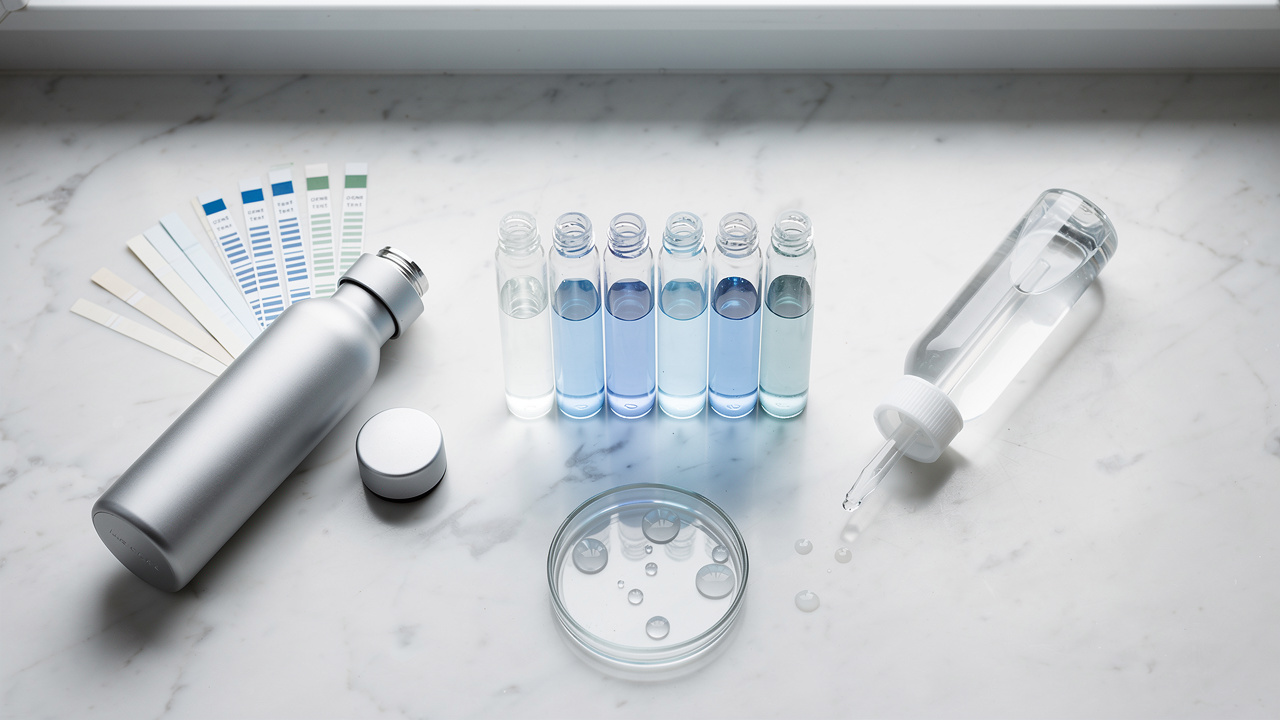
Home checks have limits: a reagent titration such as H₂ Blue gives only an approximate dissolved-hydrogen reading (Molecular Hydrogen Institute), and HWS has not measured ozone in any device. Rather than relying on a do-it-yourself pass/fail test, choose a brand that documents gas separation and publishes test reports, and stop using any unit whose water smells of chlorine or chemicals.
Alkaline Water Safety
Alkaline water carries different risks. Drinking large amounts with meals can dilute stomach acid, which is needed for protein digestion and pathogen control. It can also interact with acid-blocking medications (such as PPIs), potentially altering how those drugs are absorbed.
Who should be cautious with alkaline water:
- People with kidney disease
- Those on mineral-restricted diets
- Individuals with low stomach acid
- Anyone taking acid-blocking medication (ask your doctor first)
The added calcium, magnesium, and potassium can burden compromised kidneys. For most healthy adults, moderate alkaline water consumption is fine. Do not stop or modify prescribed medication without medical guidance.
Cost, Accessibility, and Long-Term Economics: Which Is More Practical?
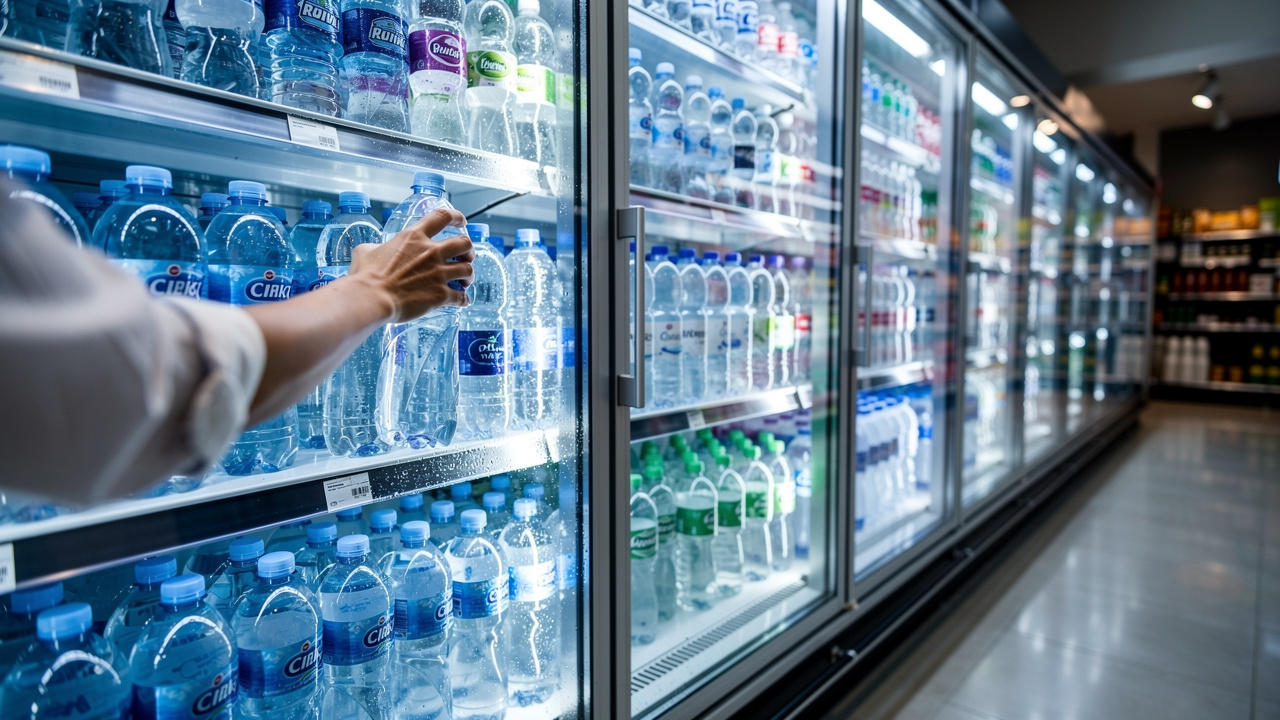
Alkaline water is widely available in grocery and health-food stores. Bottled alkaline water is inexpensive per unit, but costs add up over time and single-use plastic creates waste. Home options range from low-cost mineral-infusion pitchers (under $50) to high-end electric ionizers (often $2,000 or more).
Hydrogen water is harder to find in bottled form because dissolved H₂ escapes through plastic. Bottled hydrogen water needs specialized aluminum pouches or cans, making it more expensive and less widely stocked. For regular use, portable hydrogen water bottles or countertop generators offer better long-term economics, with entry-level units often starting around $100 to $200.
Freshness Considerations
- Alkaline water: pH stays stable over time, so a bottle can sit on a shelf without losing its defining trait.
- Hydrogen water: loses dissolved H₂ relatively quickly in open or plastic containers, so consume soon after generation or store in a sealed aluminum or stainless container.
One reality worth knowing: manufacturer PPM claims often overstate real-world output. Dissolved-hydrogen concentration varies with water temperature, mineral content, cycle time, device age, battery charge, and membrane condition. Some units deliver well under the concentrations used in research, so treat the number on the box as a ceiling, not a guarantee — and verify output if you can.
The Verdict: Which Should You Choose for Your Health Goals?
The better water depends on what you want to address.
Choose Hydrogen Water If

- You want antioxidant or recovery support and are focused on oxidative stress; early research points to possible benefits for inflammation, muscle recovery, and metabolic health.
- You want benefits without altering digestive pH, keeping stomach-acid function intact.
- You are willing to invest in a quality device with proper ozone management — dual-chamber PEM construction and a visible waste-gas vent.
Choose Alkaline Water If
- You have chronic acid reflux and want digestive relief; alkaline water’s ability to deactivate pepsin makes it a practical option for heartburn management.
- You want extra dietary minerals or prefer the slightly mineral-rich taste.
- You are not on acid-blocking medication and have no kidney issues or mineral-restricted diet. If you have a diagnosed condition, do not self-treat — consult a healthcare provider.
Some advanced ionizers produce both hydrogen-rich and alkaline water at once, but that dual function is unnecessary for most people — the decision is simpler when framed by your primary goal. For hydrogen water, the choice is mostly about device engineering quality, not the chemistry of hydrogen itself; for alkaline water, it is about mineral-source quality and not over-alkalizing, especially around meals.
The Bottom Line
The better water depends on your goal — hydrogen for antioxidant and recovery support, alkaline for reflux relief and mineral supplementation — and neither is a cure for disease. Device quality matters as much as water type, especially the ozone risk in cheap hydrogen units. Evaluate evidence strength, not marketing claims, before buying.
Our reviews are independent and research-based: we compare products on manufacturer specifications, published certificates and research where it exists, and say which evidence each review uses. We accept no free review samples; HWS owns one hydrogen water bottle and has published no measurements of its own (see how we evaluate).
This is not a substitute for medical care. If you have a diagnosed condition or take prescription medication, talk to your healthcare provider before adding either water type to your routine.
For a worked comparison of devices, see our hydrogen water bottle comparison and best countertop hydrogen water machines.
Is Ionized Water the Same as Hydrogen Water?
No. Ionized water and hydrogen water both come out of an electrolysis cell, but they are engineered for different outputs. Ionized water is split into a raised-pH mineral stream and a separate acidic stream. Hydrogen water has molecular hydrogen gas dissolved into it while pH stays broadly unchanged.
The terms themselves cause most of the confusion. Ionized water and alkaline water describe the same category — marketing uses them interchangeably, with "ionized" pointing at the process and "alkaline" at the result. So a comparison of hydrogen water vs ionized water is the same comparison as hydrogen water versus alkaline water, covered throughout this page.
One practical overlap: because an ionizer runs electrolysis, some dissolved hydrogen appears in the alkaline stream as a by-product. Manufacturers of dedicated hydrogen generators state substantially higher output figures than ionizer manufacturers do, because isolating hydrogen is what the former is built to do. If dissolved hydrogen is the reason you are buying, an ionizer is an indirect route to it.
One practical note on tablets: the hydrogen comes from magnesium reacting with water, and the same 80 mg of magnesium yields the same maximum hydrogen whatever the brand claims. Our Dr. Mercola H2 review lays out why four tablets with identical chemistry advertise figures from 8 to 12.4 ppm.
Frequently Asked Questions
Can you drink hydrogen water and alkaline water together?
Yes — they are not mutually exclusive, and some ionizers produce both. Most people find one type meets their goal. If you use separate sources, space them through the day rather than mixing them in one glass, to preserve both the dissolved hydrogen and the alkaline pH.
Does hydrogen water actually stay in the water, or does it escape?
Dissolved H₂ does leave over time because the molecule is so small. In an open or plastic container it dissipates fairly quickly; sealed aluminum or stainless containers hold it longer. Generators are best used right before drinking — which is also why bottled hydrogen water needs special packaging.
Is alkaline water safe to drink every day?
For most healthy adults, moderate amounts are fine. Avoid large volumes with meals, which can dilute the stomach acid needed for digestion. If you take acid-blocking medication or have kidney disease or a mineral-restricted diet, ask your doctor first. “Over-alkalizing” your blood is not a realistic concern — your body regulates blood pH on its own.
Which water is better for athletes and recovery?
Neither has an established recovery benefit. Some small, short studies of hydrogen water in athletes have reported lower fatigue or better recovery markers, but the trials are early and results need replication. Any water supports post-exercise hydration. If recovery is your goal, treat hydrogen water as an experiment rather than a proven aid, and ask a sports-medicine professional about anything beyond hydration.
How do I know if a hydrogen water device is safe and not making ozone?
Look for dual-chamber PEM construction and a visible waste-gas vent. Ask the brand for test reports that cover gas separation; HWS has not measured ozone in any device, and a home strip test is not a substitute for documented testing. Avoid uncertified low-cost imports without documented ozone management. For more on spotting unsafe units, see our ozone safety guide.
Compare your options
Independent, research-based comparisons of hydrogen water products, ranked on published specifications and certifications rather than marketing claims:
- Best hydrogen water tablets — device-free, nothing to maintain
- Best hydrogen water bottles — portable SPE/PEM generators
- Best hydrogen water generators — countertop and higher-output machines
- Best hydrogen water pitchers — larger volume for household use