
Are Hydrogen Water Bottles Worth It? An Honest 2026 Guide
You have seen the ads and the claims. Maybe you have scrolled Reddit threads where one person swears their hydrogen water bottle changed their life while another calls it the biggest scam since magnetic bracelets. The honest answer sits between those extremes — and it depends far more on the device than on hydrogen itself.
Whether a hydrogen water bottle is worth it depends almost entirely on the specific device, not on hydrogen. A well-engineered bottle with verified hydrogen output and proper safety separation can be worth it for someone who drinks from it daily and keeps realistic expectations. A cheap, unverified unit usually is not — it may deliver little hydrogen, or worse, contaminate the water. The gas is the constant; the engineering is the variable.
This analysis walks through the safety engineering that separates legitimate bottles from dangerous ones, what the research honestly supports, the cost math for daily use, and who should buy versus skip. It is based on our research and analysis of specifications, manufacturer documentation and published studies — we have not lab-tested the devices discussed. For model-by-model checks, see our hydrogen water bottle comparison. If you are managing a health condition, treat this as general information and consult a healthcare provider first.
So, Are They Worth It? It Depends on the Device, Not the Hydrogen
The cost-benefit question starts with one distinction: molecular hydrogen itself is not the variable. A 2022 review of electrolyzed hydrogen water (LeBaron, Sharpe and Ohno, International Journal of Molecular Sciences) describes it as safe in the cellular, animal and human studies it covers, while most human trials are small and short; its cautions concern very high pH, electrode metals and poor kidney function. The proposed selective-antioxidant role is still being researched. What varies widely is the device producing it.
A hydrogen water bottle is an electrolysis system, a battery, and a water container engineered to generate and hold the smallest molecule there is. The quality of that engineering decides whether you get a meaningful, research-grade hydrogen concentration or contaminated water with a trace of hydrogen that escapes before you finish drinking. That is why “worth it” is a device-by-device question, not a universal yes or no.
A bottle tends to be worth it if:
- It uses proper membrane separation (PEM/SPE) so it cannot pass toxic byproducts into your water.
- It discloses a verifiable hydrogen output rather than vague “hydrogen-rich” marketing.
- You will actually drink from it daily, and you keep expectations realistic.
- It comes from an identifiable brand with a real warranty.
It is usually not worth it if you expect it to treat or cure something, you will not use it consistently, or you buy the cheapest unverified marketplace unit. Before anything else, start with the safety basics in our guide to whether hydrogen water is safe.
The Safety Engineering That Separates Good Bottles From Dangerous Ones
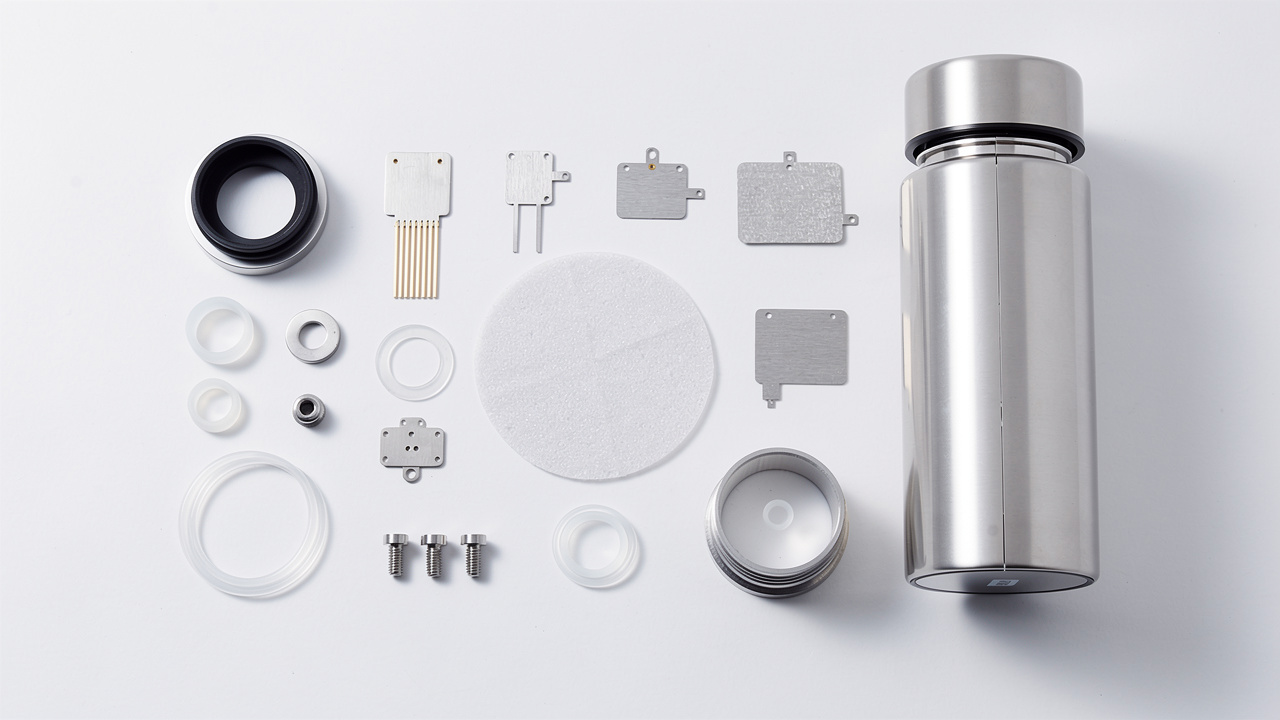
PEM (Proton Exchange Membrane) and SPE (Solid Polymer Electrolyte) electrolysis are not premium upgrades — they are the baseline that keeps toxic byproducts out of your drinking water. When current passes through water, it splits H₂O into hydrogen and oxygen. In a properly built bottle, the membrane lets hydrogen through to the drinking chamber while venting oxygen and any other gases out a separate port.
Without that separation, raw electrolysis can send everything into the water — including ozone and chlorine, both of which can irritate or harm you when ingested. This is the failure mode of the cheapest imports, and it is a health hazard, not a performance compromise. For the full picture, see our ozone gas warning.
A few red flags mean you should stop using a bottle immediately and contact the manufacturer:
- A sharp chemical or chlorine smell in the output water.
- A metallic taste developing after the first week of use.
- Battery swelling or heat during operation, or visible case cracking.
Materials matter too. Hydrogen is light and escapes through low-grade plastics quickly, and cheap plastics can degrade under repeated electrolysis. Bottles built from borosilicate glass, stainless steel, or quality BPA-free Tritan hold hydrogen better and are more chemically stable. And an identifiable brand with a verifiable warranty is part of the safety calculation — an anonymous listing with no contact information gives you no recourse when a device that combines water, batteries, and chemistry fails. Watch for the warning signs in our guide to hydrogen water side effects and dangers.
What the Research Actually Shows — and What It Doesn’t

Molecular hydrogen is studied as a selective antioxidant. Rather than mopping up all free radicals indiscriminately, research describes it as targeting the more damaging reactive oxygen species while leaving useful signaling molecules alone. Because it is small, it may reach areas that larger antioxidants cannot — which is why studies have looked at recovery, metabolic, and neurological measures.
Here is the honest state of the evidence:
- Where it looks most promising: some studies of athletes have reported reduced fatigue or better recovery markers, but these trials are small and short, and results need replication in larger studies. A 2023 meta-analysis found small drops in perceived exertion and blood lactate but no gain in endurance (see what pooled human trials show).
- Where it is early: small trials have reported favorable signals for metabolic markers and mood, but sample sizes have generally been small and results need replication.
- What it does not do: hydrogen water is not a medical treatment and does not cure disease. Any bottle marketed with disease-cure claims is misrepresenting the research.
Two practical points follow from the research. First, benefits in studies depend on getting a meaningful, research-grade concentration of dissolved hydrogen — which is exactly why a verified output figure matters more than “hydrogen-rich” marketing, and why an under-performing bottle gives you the cost without the mechanism. Second, hydrogen escapes quickly once water meets air, so drinking promptly (generally within about 10 to 15 minutes of generation) matters for getting what the device produced. For the deeper science, see our hydrogen water science hub.
The realistic takeaway: expect a possible, subtle edge on recovery and oxidative-stress markers if the device delivers verified output and you drink it fresh — not a dramatic health transformation.
The Real Cost — and Who It’s Actually For
The price tag tells you very little on its own. Bottles run from under $50 to well over $400, and what separates them is electrode quality (membrane systems versus basic plates), build materials, whether the brand publishes verified output, and warranty accountability. The cheapest units often advertise big output numbers that the seller does not support with a matching test report, and many list no clear warranty.
On pure economics, the math can favor a bottle for daily users: pre-packaged hydrogen water runs roughly $3 to $5 per serving, so a quality bottle can pay for itself within a few months of daily use — but only if it produces verified output safely. For occasional users, pre-packaged options often make more sense, and for a cheap unverified import the risk outweighs any savings.
Who may benefit
- Active adults and recreational athletes who want a convenient recovery habit and treat any benefit as a bonus.
- Consistent daily users for whom the cost-per-use actually works out.
- Research-minded buyers who will insist on verified output and proper safety separation instead of the cheapest option.
Who should skip
- Anyone expecting a cure or dramatic results — the evidence does not support it.
- Inconsistent users, for whom the bottle becomes an expensive shelf ornament.
- Anyone managing a diagnosed condition. Do not use hydrogen water to self-treat; talk to a healthcare provider first.
The Bottom Line
A hydrogen water bottle is worth it only when the device is right: proper PEM/SPE safety separation, a verified hydrogen output figure, and an identifiable brand with a real warranty. A unit that fails any of those tends to cost more in health risk or wasted money than it saves. Cheap unverified imports are, as a category, not worth it.
If you decide to buy, follow these parameters: confirm PEM/SPE separation, insist on a verified output figure, use it daily, and drink promptly after generation — hydrogen escapes fast, so a bottle left sitting loses much of the point.
This is not a replacement for the fundamentals — sleep, diet, exercise, plain hydration — or for prescribed treatment. If you have a diagnosed condition, see a healthcare provider before starting.
For our independent, research-based comparison of bottles on published safety design, stated output and certificates, see the best hydrogen water bottles guide — including the one bottle we own and use day to day, the Piurify Hydrogenator.
A live example of “it depends on the device”: the Aqua Vital bottle ranks for its own name almost entirely through press releases and advertorials, and its Amazon listing publishes no hydrogen figure at all. Our Aqua Vital review walks through exactly which of this article’s safety and disclosure checks it passes and which it cannot.
Frequently Asked Questions
Are cheap hydrogen water bottles from Amazon safe to use?
Many unbranded imports lack proper PEM/SPE separation, which risks ozone and chlorine getting into the water, and an anonymous seller means no warranty or accountability if the device fails. Before buying, confirm a disclosed hydrogen output figure and an identifiable brand. Without those, a cheap bottle is not worth the health risk. See our research-based bottle comparison.
How long does a hydrogen water bottle take to pay for itself?
Pre-packaged hydrogen water runs roughly $3 to $5 per serving, so a quality bottle can pay for itself within a few months of daily use. That math only holds if the bottle produces verified output safely — a unit that under-delivers may never provide real value no matter how much it appears to save over time.
Can I use tap water, or do I need filtered water?
Filtered or distilled water is generally recommended to reduce mineral buildup on the electrolysis plates, which can shorten a device’s life. Hard tap water accelerates maintenance and can degrade electrode performance over time, so using filtered water helps protect the bottle and keep output consistent. If you run reverse osmosis water, its low mineral content can reduce hydrogen output too — here’s how to use RO water in a hydrogen bottle without losing performance.
How quickly does hydrogen escape from the water?
Hydrogen is light and begins escaping as soon as the water meets air, so drinking within roughly 10 to 15 minutes of generation matters for getting what the bottle produced. Bottles with poor sealing lose it even faster, which is part of why build quality affects real-world value.
What if my bottle produces water with a chemical smell or metallic taste?
Those are red flags for possible contamination or electrode degradation. Stop using it and contact the manufacturer for a warranty claim. For health concerns you can also report through the retailer, FDA MedWatch, or the Consumer Product Safety Commission for battery or electrical issues. Do not keep using a device showing these symptoms, and review our side effects and safety guide.