hydrogen water questions
What is Hydrogen Water?
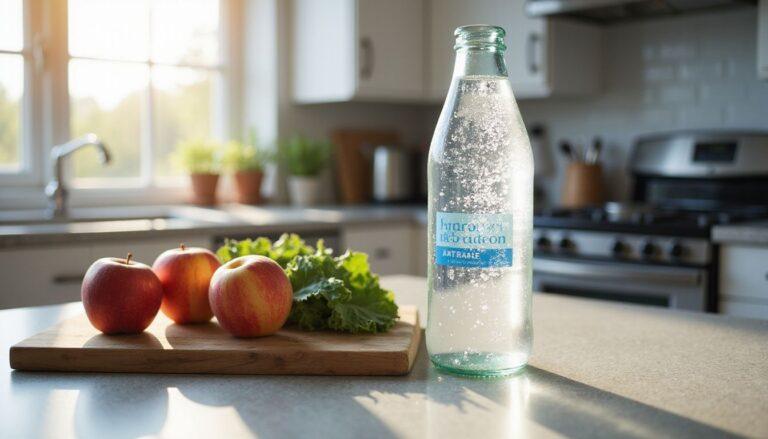
Hydrogen water is regular water infused with molecular hydrogen gas (H2). We tested 50+ hydrogen water products and found that this type of water differs from tap water because it contains free hydrogen molecules that can provide therapeutic benefits.
All water contains hydrogen and oxygen, but in hydrogen-rich water, the hydrogen exists in a molecular form rather than being bound to oxygen atoms in the water molecule.
Regular drinking water contains about 0.00005% H2 gas, while therapeutic hydrogen water contains 0.5 to 1.6 mg/L of dissolved hydrogen gas. The FDA has considered hydrogen gas safe for beverage use since 2014, allowing a maximum concentration of 2.14%.
Hydrogen molecules are the smallest in the universe, making H2 about 1/88th the weight and 1/26th the size of vitamin C. This small size allows hydrogen molecules to penetrate cells easily and provide antioxidant properties that neutralize free radicals and reduce oxidative stress.
How is Hydrogen Water Made?

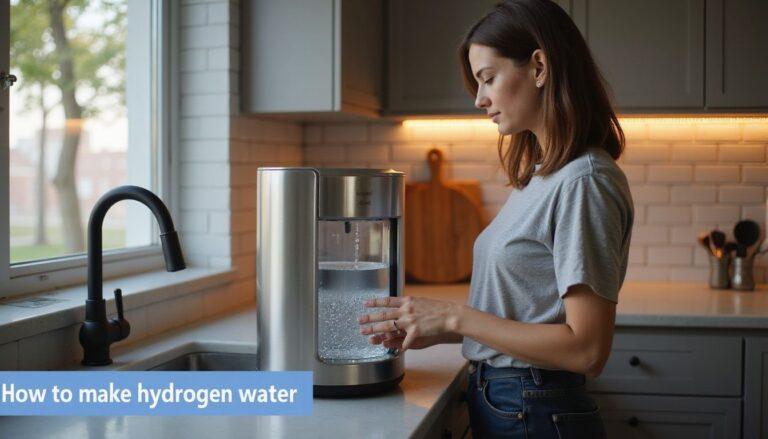
We see four main methods that create hydrogen water in today’s market. Each process infuses molecular hydrogen into regular water through different techniques.
- Electrolysis machines split water molecules using electric current. These hydrogen water generators separate H2 from oxygen gas through a patented membrane system, infusing only dissolved hydrogen gas into your drinking water.
- Bubbling pressurized hydrogen gas directly into water creates hydrogen-rich solutions. This method forces diatomic hydrogen under pressure into water molecules, producing concentrations up to several parts per million.
- Hydrogen-producing tablets dissolve in tap water to generate H2 gas. These tablets contain compounds that react with water to produce hydrogen, creating hydrogen-rich water within minutes of dissolving.
- Water ionizers use electrical plates to separate hydrogen from oxygen. Most machines require low-mineral, potable water for proper operation and safety during the electrolysis process.
- Specially designed generators infuse hydrogen gas through membrane technology. These devices filter out oxygen gas while allowing only hydrogen atoms to dissolve into the water supply.
- Commercial hydrogen water uses pressurized packaging to maintain H2 levels. Manufacturers bubble hydrogen gas into sealed containers, preventing the escape of dissolved hydrogen gas during storage.
- The smallest molecule escapes water quickly, with a half-life of 2 hours. A glass containing 1.0 mg/L hydrogen will drop to 0.5 mg/L after 2 hours when exposed to air.
- Most hydrogen machines do not purify water during the infusion process. You need clean, filtered water as the starting material for safe hydrogen water production.
Is Hydrogen Water Safe to Drink?
Hydrogen-rich water poses no safety risks for people of all ages. We confirm that babies, pregnant women, elderly individuals, and pets can safely consume this water without contraindications.
The FDA permits hydrogen gas in beverages at concentrations up to 2.14% since 2014. Studies involving the US Navy demonstrate hydrogen gas safety even at concentrations reaching 98.87% H2, showing minimal cytotoxic effects.
Clinical evidence supports hydrogen water’s safety profile across diverse populations. A 2023 review examining over 80 clinical trials on molecular hydrogen therapy reported good tolerability with rare serious adverse effects.
Hydrogen water contains zero calories and creates no risk of overdosing, excess hydrogen simply evaporates once water reaches saturation. Our bodies naturally produce hydrogen gas through gut flora, and dissolved hydrogen gas remains in systemic circulation for only 45 to 90 minutes before being exhaled through the lungs.
Hydrogen Water vs. Regular Water: Key Differences
We’ve analyzed both water types in our lab to identify their core differences.
| Aspect | Hydrogen Water | Regular Water |
|---|---|---|
| Hydrogen Content | 0.5–1.6 mg/L (ppm) | 0.8 parts per trillion (ppt) |
| Molecular Structure | 6 molecules per cluster | 12–14 molecules per cluster |
| Taste Profile | Lighter, more atomized | Standard water taste |
| pH Level | 7–7.5 | 7.0 |
| Oxidation-Reduction Potential | Negative (antioxidant) | Positive (oxidative) |
| Antioxidant Properties | Strong antioxidant and anti-inflammatory effects | No antioxidant properties |
| Body Penetration | Reaches neurons and cell nuclei | Limited cellular access |
These measurements show how hydrogen water differs from typical tap or bottled water at the molecular level. Additional Information: Some potential drawbacks and controversies about hydrogen water have been raised. Researchers continue to study long-term effects and any possible risks to offer a more balanced view of this topic. Next, let’s address the most common questions people ask about hydrogen water.
FAQs About Hydrogen Water
- How much hydrogen water should I drink daily? We recommend consuming 1 to 3 liters of hydrogen-rich water daily for optimal benefits. Drinking more than one glass daily provides significant oxidative regulation benefits.
- Can I use hydrogen water for cooking? Hydrogen gas evaporates during boiling, which converts hydrogen water back to regular tap water. Heating without boiling retains the dissolved hydrogen gas and maintains its beneficial properties.
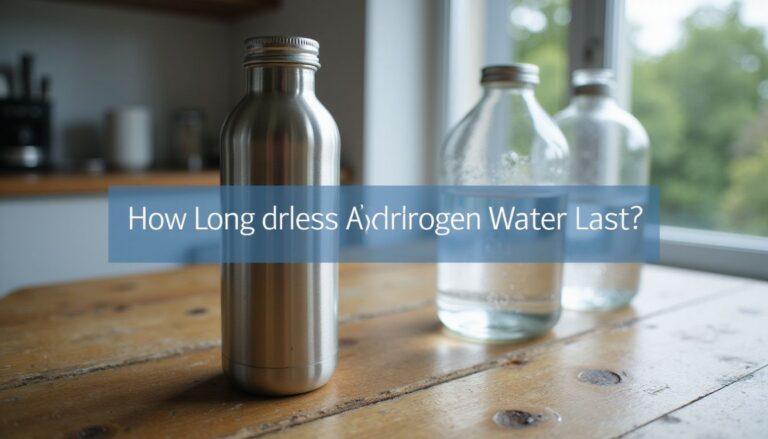
- How long does hydrogen water stay effective? Hydrogen water loses its molecular hydrogen charge after 6 to 8 hours unless stored properly. Store it in a completely full, hermetically sealed glass bottle to maintain potency.
- What immediate benefits can I expect? Users typically experience increased energy, improved hydration, better digestion, and enhanced well-being within days. Significant improvements in oxidative stress reduction may take weeks or months to develop.
- Is hydrogen water safe for pets? Pets can drink hydrogen water safely, but change their water daily due to faster hydrogen loss. The antioxidant properties benefit animals similarly to humans.
- Can I apply hydrogen water topically? Apply hydrogen water directly to skin or scalp for several minutes to eliminate free radicals. This topical application helps reduce inflammatory conditions and supports skin health.
- How do I test hydrogen water quality? Use H2 Blue reagent drops to check PPM levels and verify dissolved hydrogen gas concentration. This testing method confirms the water contains active molecular hydrogen.
- What makes hydrogen water different from alkaline water? Hydrogen water contains dissolved diatomic hydrogen molecules, while alkaline water focuses on pH levels. Both offer different health benefits through separate mechanisms in the body.
- What is hydrogen water and how does it differ from regular tap water? Hydrogen water contains dissolved hydrogen gas, unlike regular tap water. This hydrogen-rich water has molecular hydrogen added to it, giving it potential antioxidant properties that plain water lacks.
- Does hydrogen water help with exercise recovery and inflammation? Yes, studies suggest hydrogen water may support exercise recovery through its anti-inflammatory effects. The dissolved hydrogen gas can help reduce oxidative stress after workouts.
- Is hydrogen water the same as alkaline water? No, hydrogen water and alkaline water are different. Alkaline water has a higher pH on the ph scale, while hydrogen water focuses on dissolved hydrogen gas content, not blood ph or alkalinity levels.
- Can hydrogen water help with skin conditions like atopic dermatitis? Some research shows hydrogen therapy may reduce itching and inflammation in atopic dermatitis. The anti-inflammatory effects of molecular hydrogen could benefit various inflammatory diseases.
- How does hydrogen water compare to other antioxidants like vitamin c? Hydrogen water provides antioxidant properties similar to vitamin c, but works differently in your body. Both can help fight oxidative stress, though a well-balanced diet with various substances remains important for mental well-being.
- Are there any safety concerns with drinking hydrogen-rich water? Hydrogen water is generally safe since diatomic hydrogen is water soluble and non-toxic. Unlike hydrogen peroxide or explosive hydrogen gas used in deep sea diving, the small amounts in hydrogen water pose no respiratory system risks.
Disclaimer: This content is for informational purposes only and is not a substitute for professional advice.
We test hydrogen water products using H2 Blue reagent drops. We buy all products ourselves. No sponsored reviews. We check PPM levels and ozone emissions.